12 Long Haircuts That Add Soft Layers & Movement
Maintaining long hair often presents the challenge of weight and stagnation. Without the right technique, long tresses can appear flat and lifeless. Incorporating soft layers is the professional solution to introducing dimension, fluidity, and a sense of effortless movement. These twelve curated styles demonstrate how strategic cutting can transform heavy hair into a dynamic, textured masterpiece while preserving the length you love.
1. The Classic Face-Framing Layers
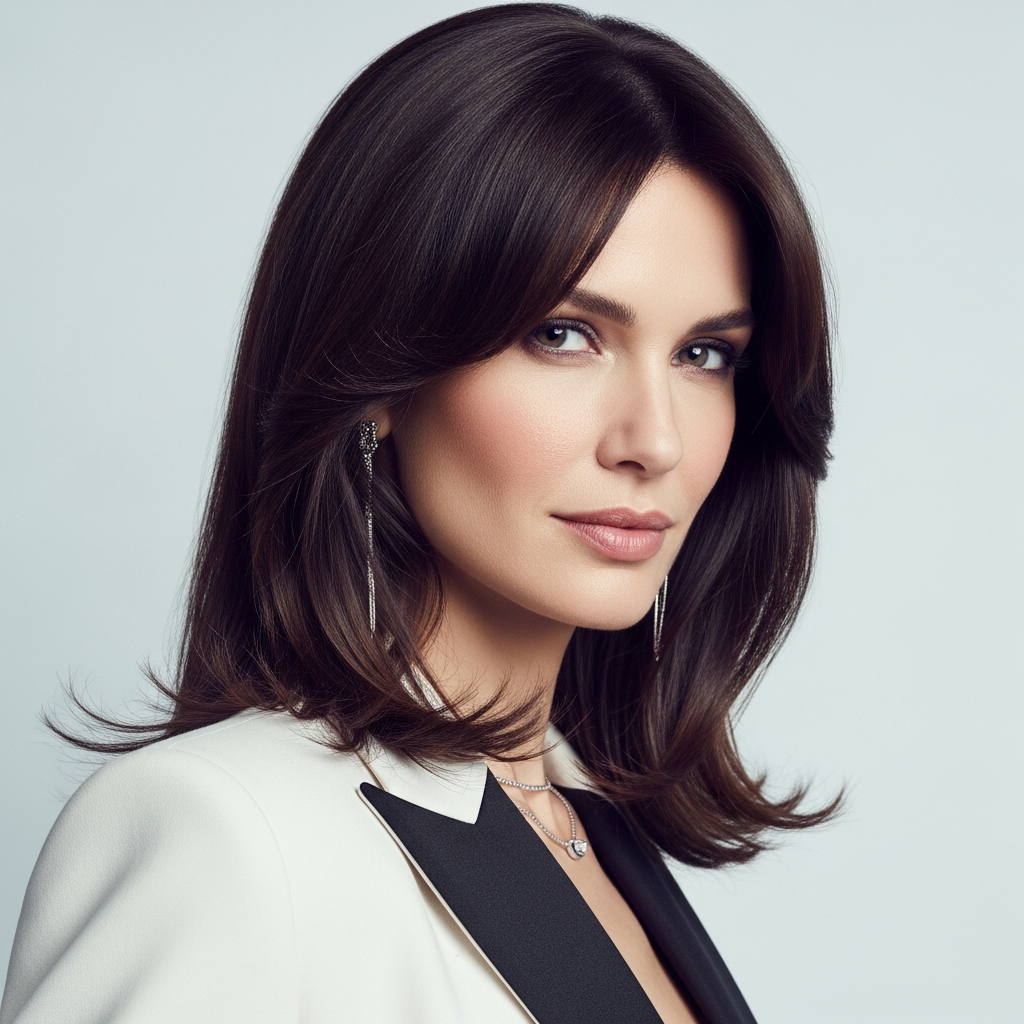
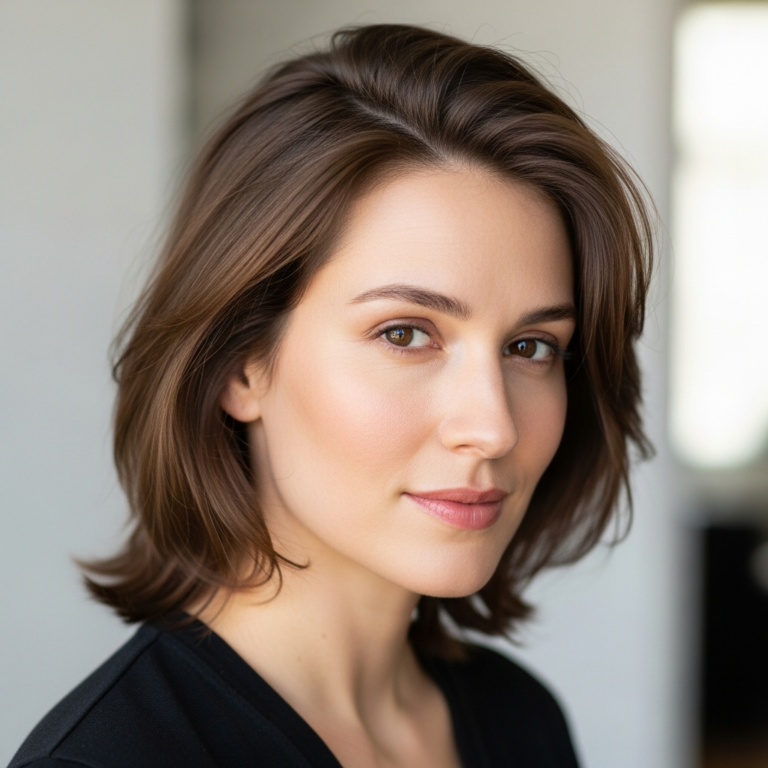
Face-framing layers are an essential technique for softening facial features and breaking up the vertical line of long hair. By starting the shortest layers around the chin or collarbone, the stylist creates a visual frame that highlights the cheekbones and jawline. This style is particularly effective for those who want to add interest to their front profile without committing to a full-head layering system.
2. The Modern Butterfly Cut
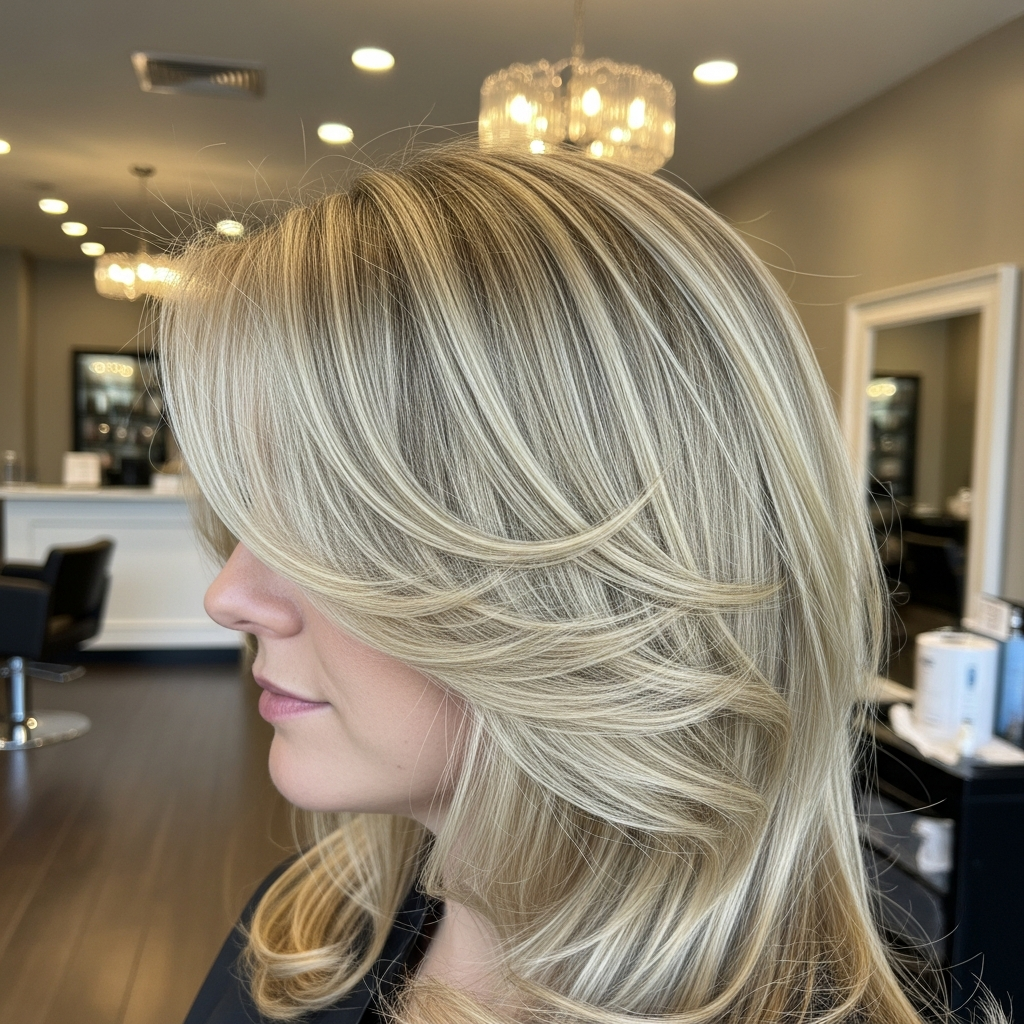
The butterfly cut has gained immense popularity for its ability to provide high-volume movement. It utilizes short, wispy layers around the crown paired with longer layers throughout the bottom. This contrast creates the illusion of a shorter style when viewed from the front while maintaining long length in the back, offering a versatile and bouncy aesthetic perfect for blowouts.
3. Invisible Ghost Layers
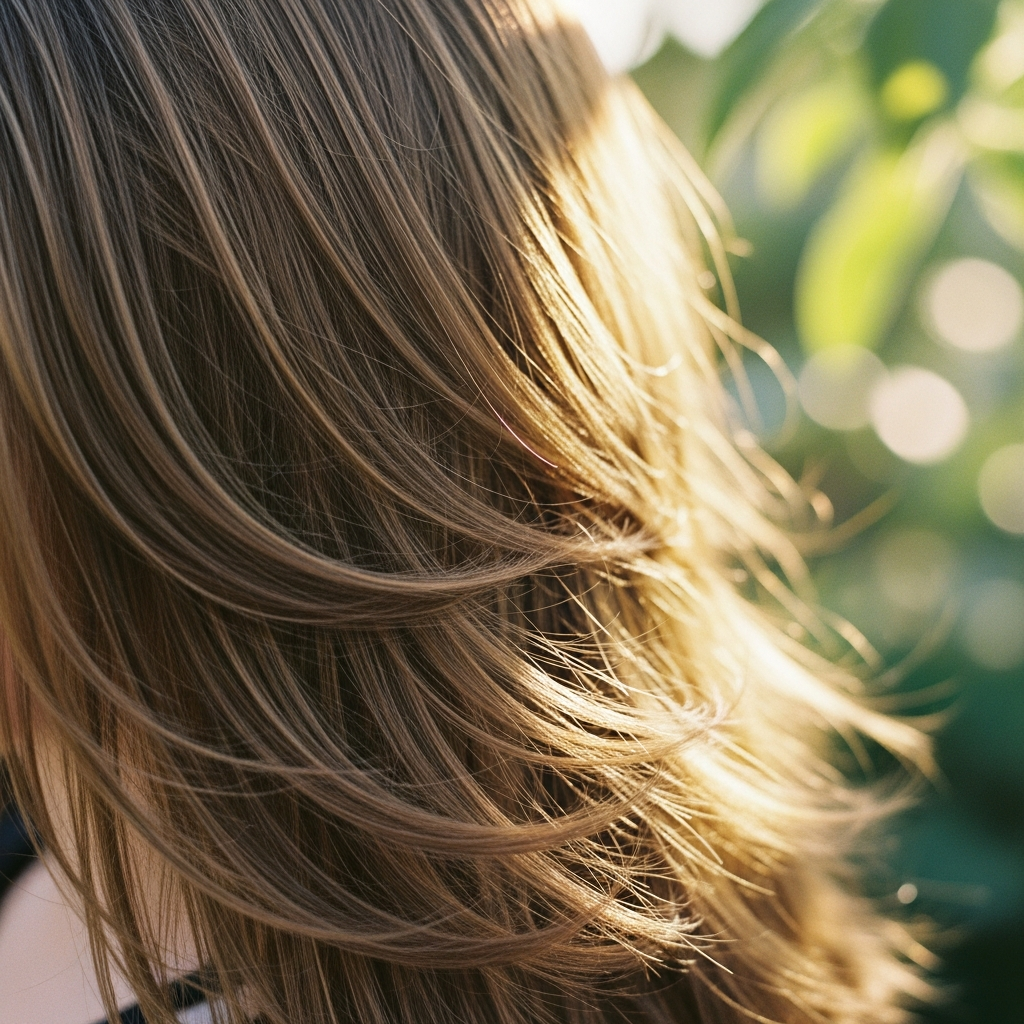
Ghost layers are a specialized technique designed for those with fine or thin hair who fear losing density. These layers are cut internally and covered by longer sections of hair. The result is subtle movement and lift from within that prevents the hair from looking stringy while providing enough texture to hold a curl or wave effectively.
4. The Long Textured Shag
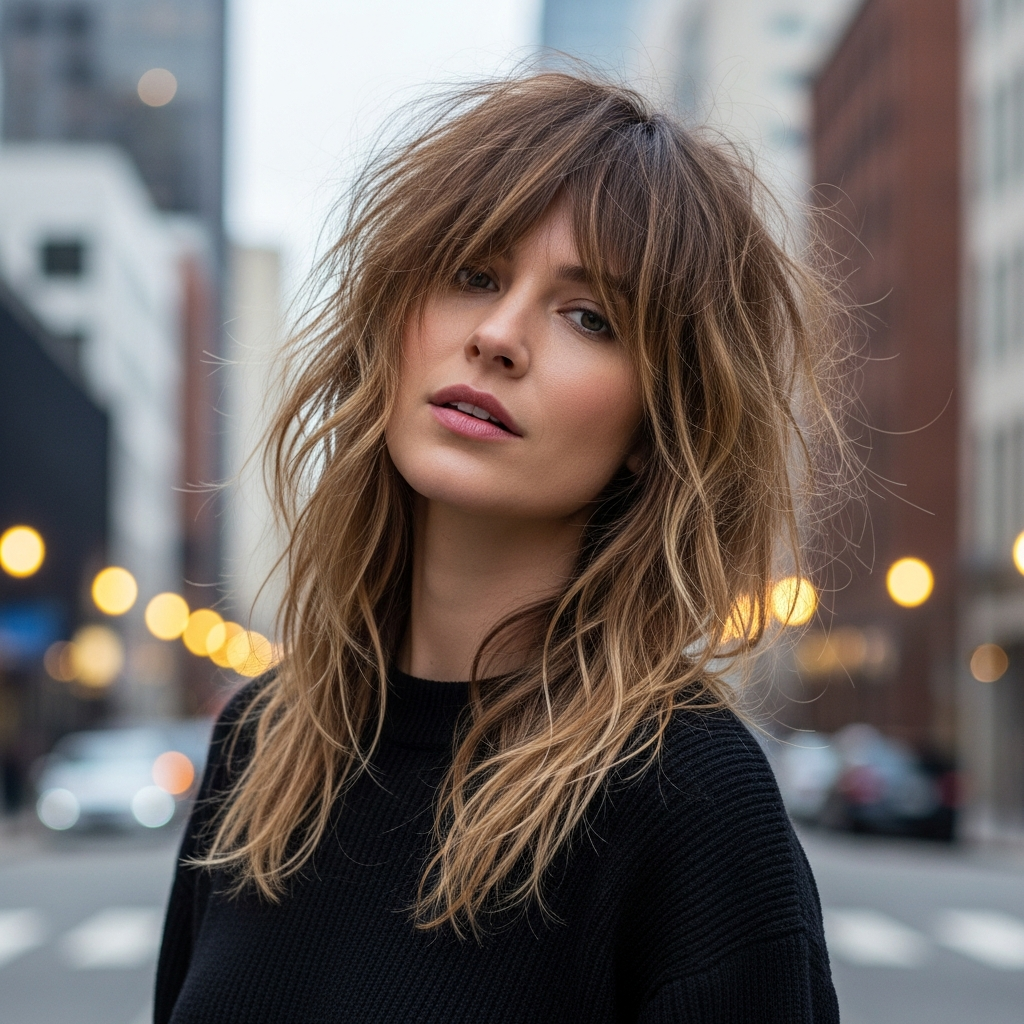
A long shag is the perfect choice for individuals seeking a more lived-in, bohemian vibe. By incorporating choppy, disconnected layers throughout the mid-lengths and ends, this cut removes bulk and adds significant grit. It is ideal for naturally wavy or curly hair types, as it encourages the hair’s natural pattern to emerge without excessive styling.
5. U-Shaped Silhouette with Internal Layers
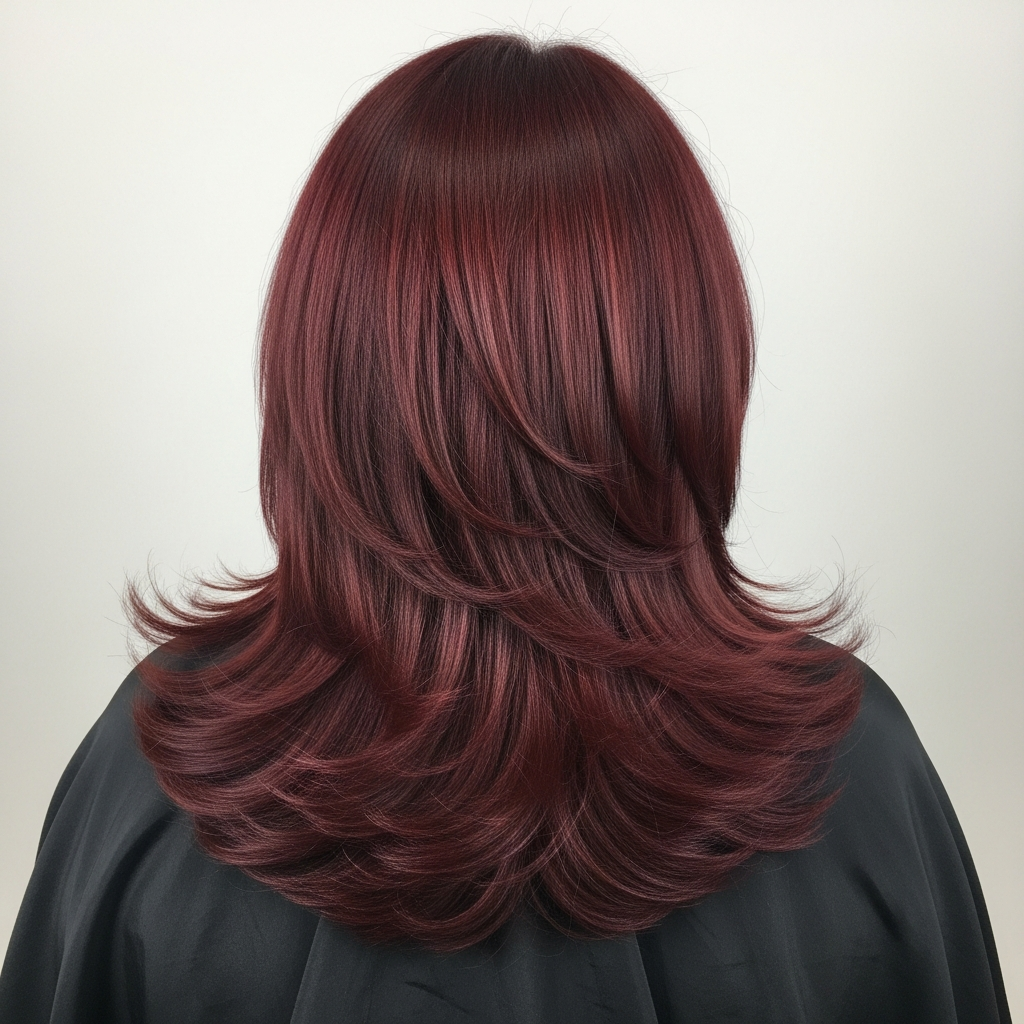
The U-cut is a timeless shape that rounds off the bottom of the hair rather than leaving it straight across. When paired with internal layering, the hair flows seamlessly from the back to the front. This shape prevents the corners of the hair from looking heavy and ensures that the movement remains fluid whether the hair is worn straight or curled.
6. Waterfall Layering Technique
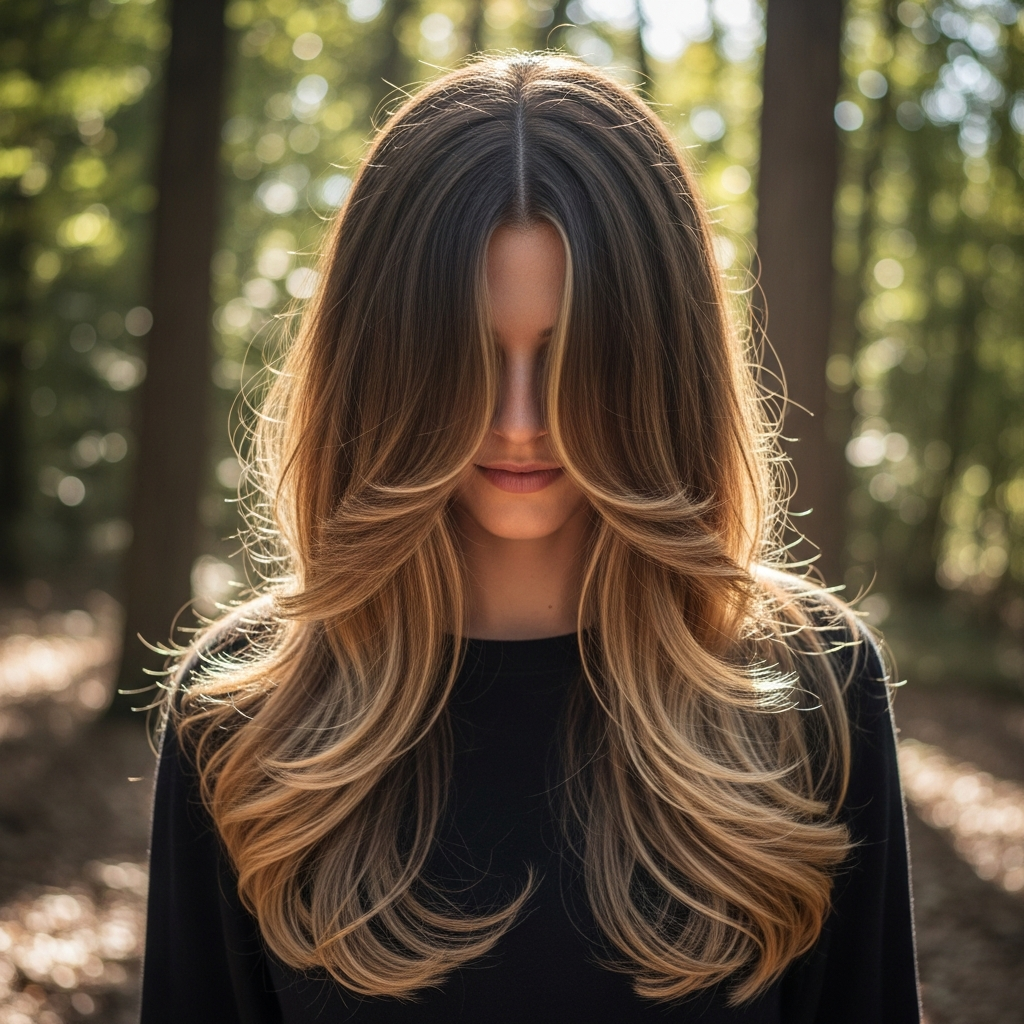
Waterfall layers involve a cascading series of cuts that blend from the top down to the ends. This technique is specifically designed to create a flow similar to falling water. It is an excellent option for very long hair, as it ensures that the weight is distributed evenly, preventing a bottom-heavy appearance and adding a romantic, ethereal quality.
7. Point-Cut Perimeter Layers
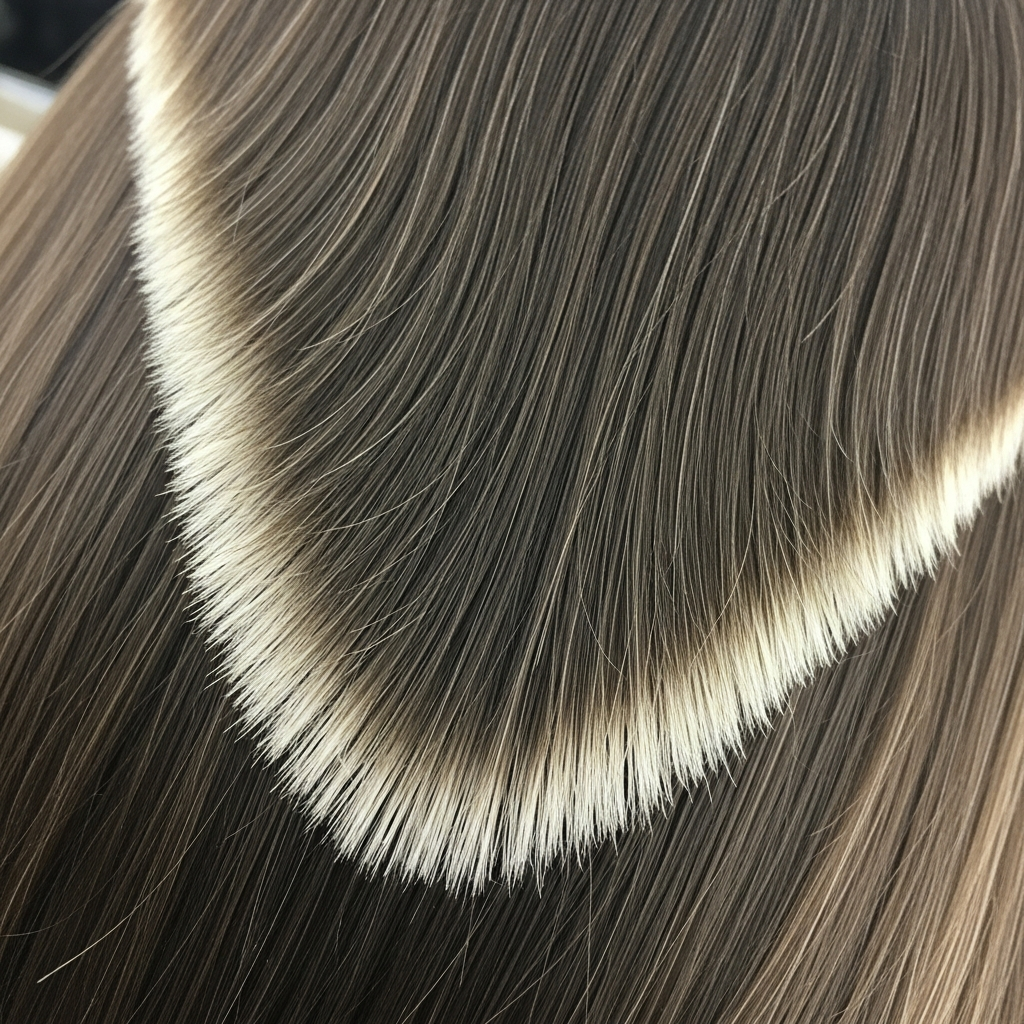
Point cutting is a finishing technique where the stylist cuts into the ends of the hair vertically rather than horizontally. Using this on long layers creates a soft, blurred edge rather than a blunt line. This approach adds a lightweight feel to the ends, making the hair look modern and airy rather than structured and stiff.
8. The V-Cut for Dramatic Movement
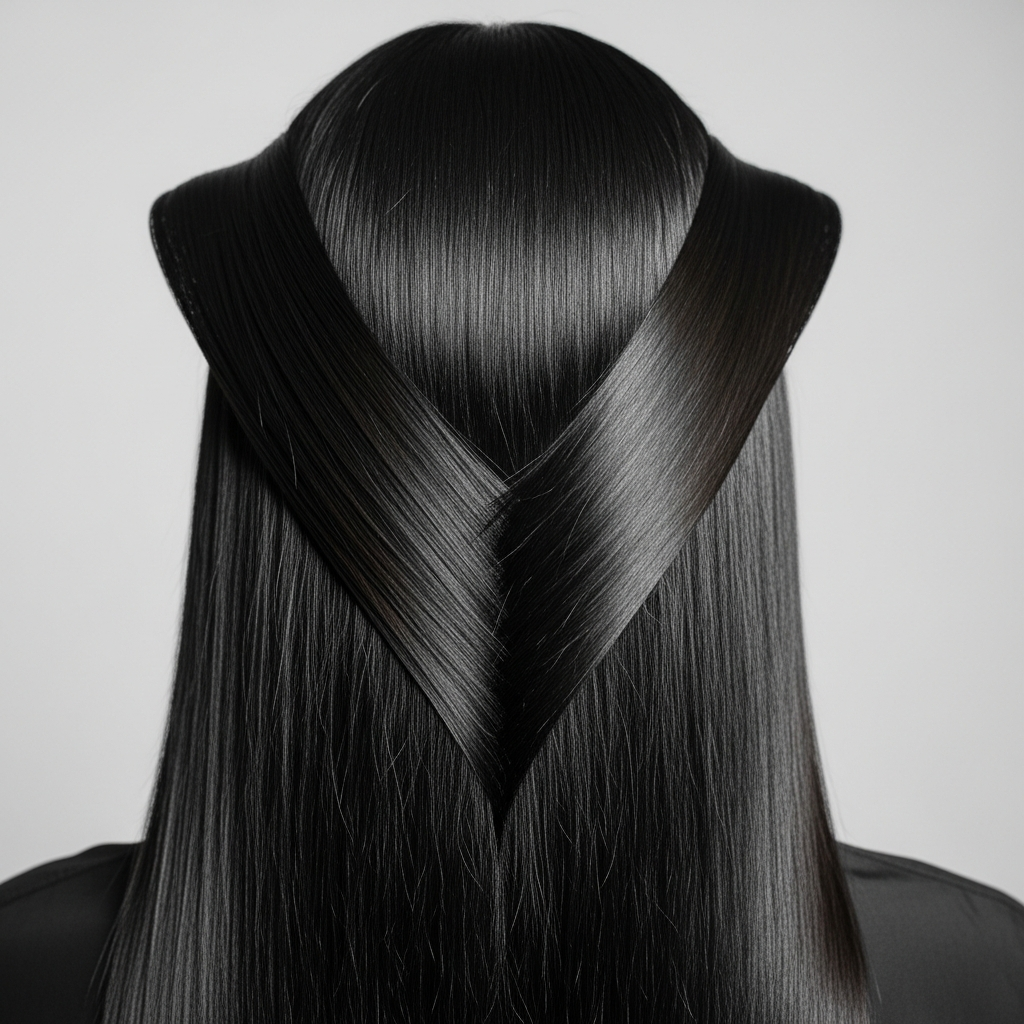
For those who want a dramatic look, the V-cut features layers that taper down to a sharp point in the center of the back. This style removes a significant amount of weight from the sides, allowing for maximum movement and swing. It is particularly striking on thick, straight hair where the geometry of the cut can be clearly seen.
9. Feathered Seventies-Inspired Layers
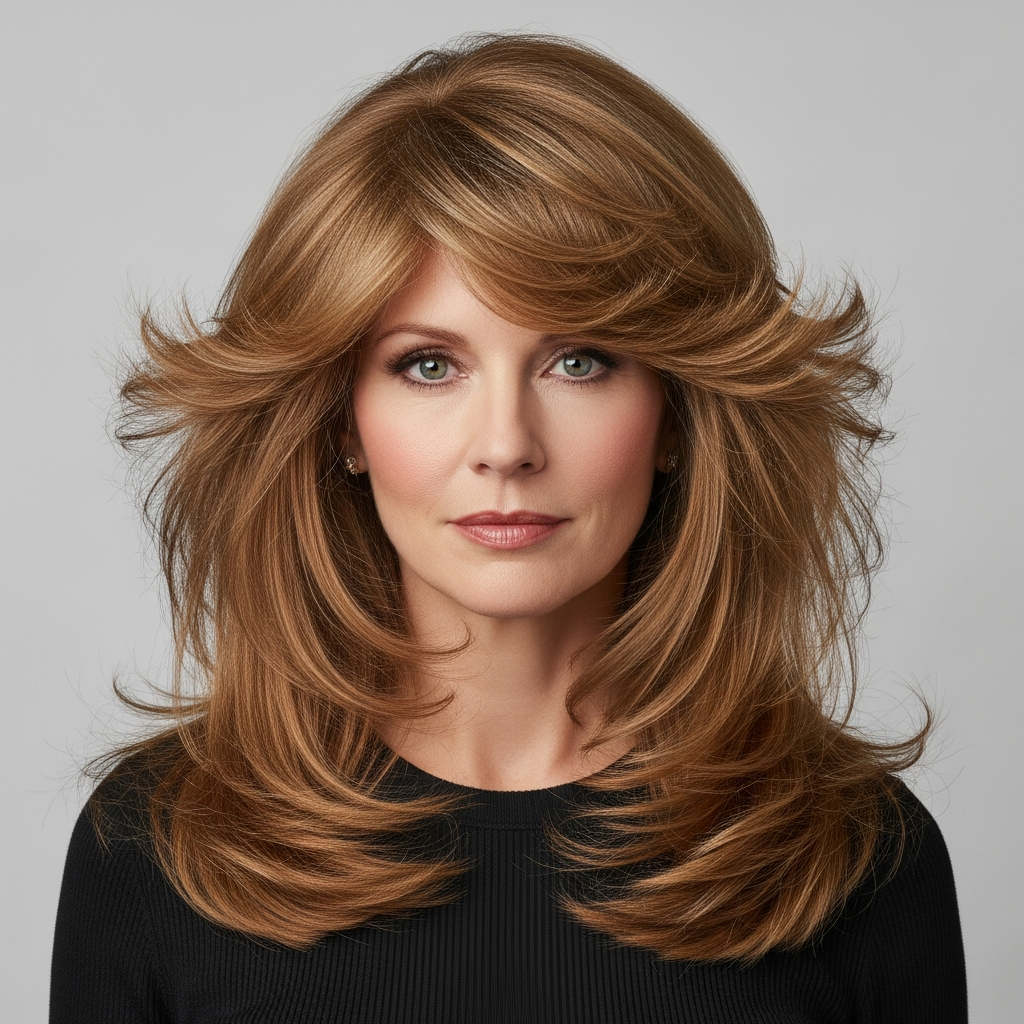
Inspired by the iconic styles of the 1970s, feathered layers involve brushing the layers back away from the face. This creates a light, winged effect that adds incredible movement around the eyes and cheekbones. It is a sophisticated way to add retro flair while maintaining a contemporary, soft feel through the lengths.
10. Curtain Bangs with Seamless Blend
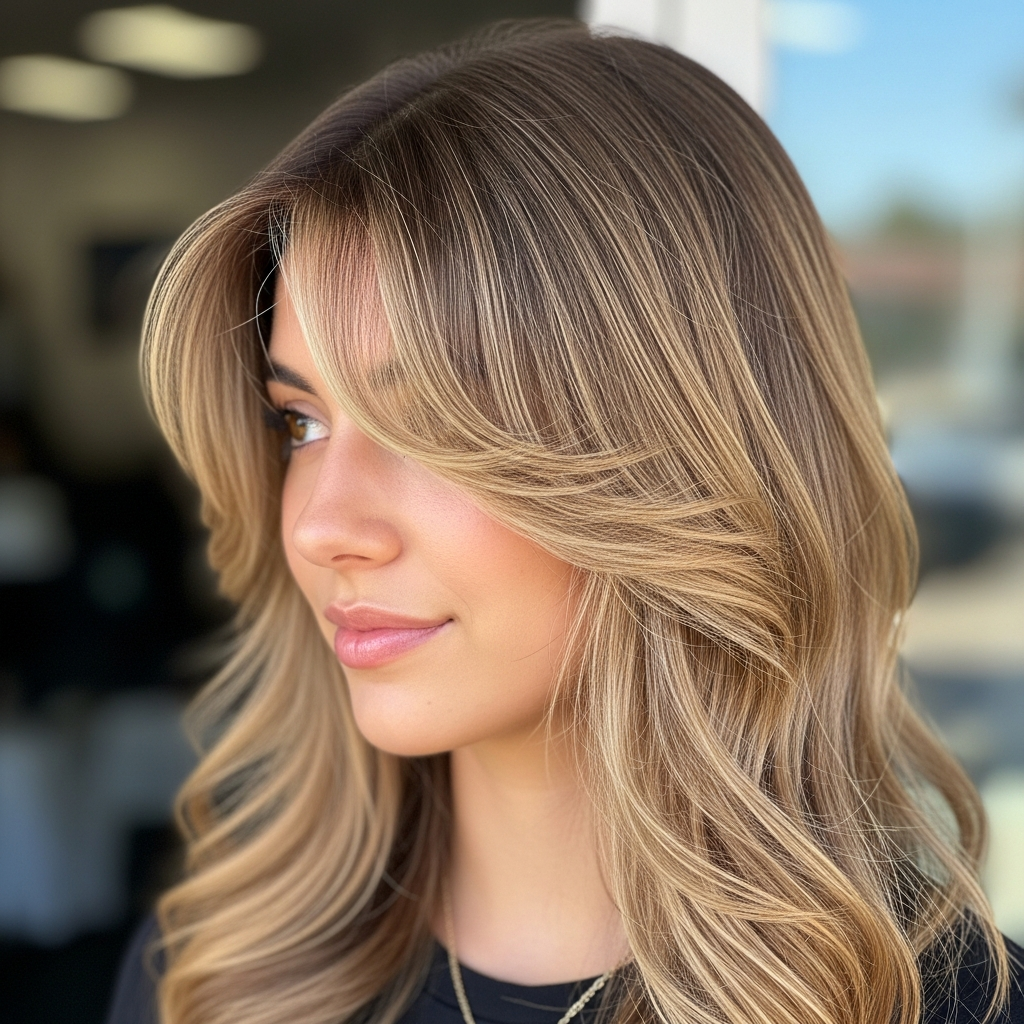
Curtain bangs are often the entry point for layering. By blending the bangs into the rest of the long hair using soft, graduated layers, the transition becomes invisible. This style adds immediate movement to the front of the head and provides a flattering frame that works with almost any face shape.
11. Internal Thinning and Soft Mid-Layers
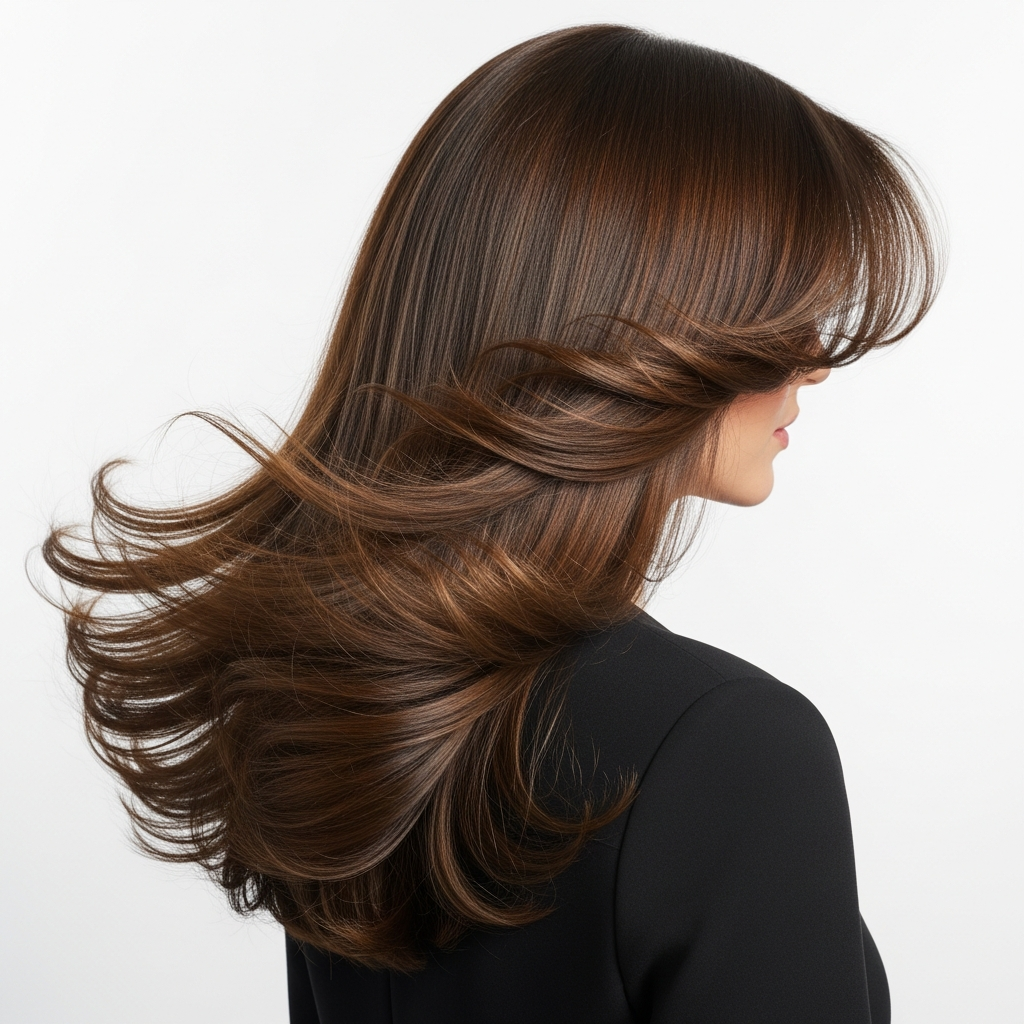
This technique is essential for women with extremely thick hair. The stylist uses thinning shears or sliding cuts to remove bulk from the interior of the hair. Soft mid-layers are then added on top to give the hair a lighter feel without losing the impressive overall length. It results in a look that is much more manageable and easier to style.
12. The Rounded Layered Cut
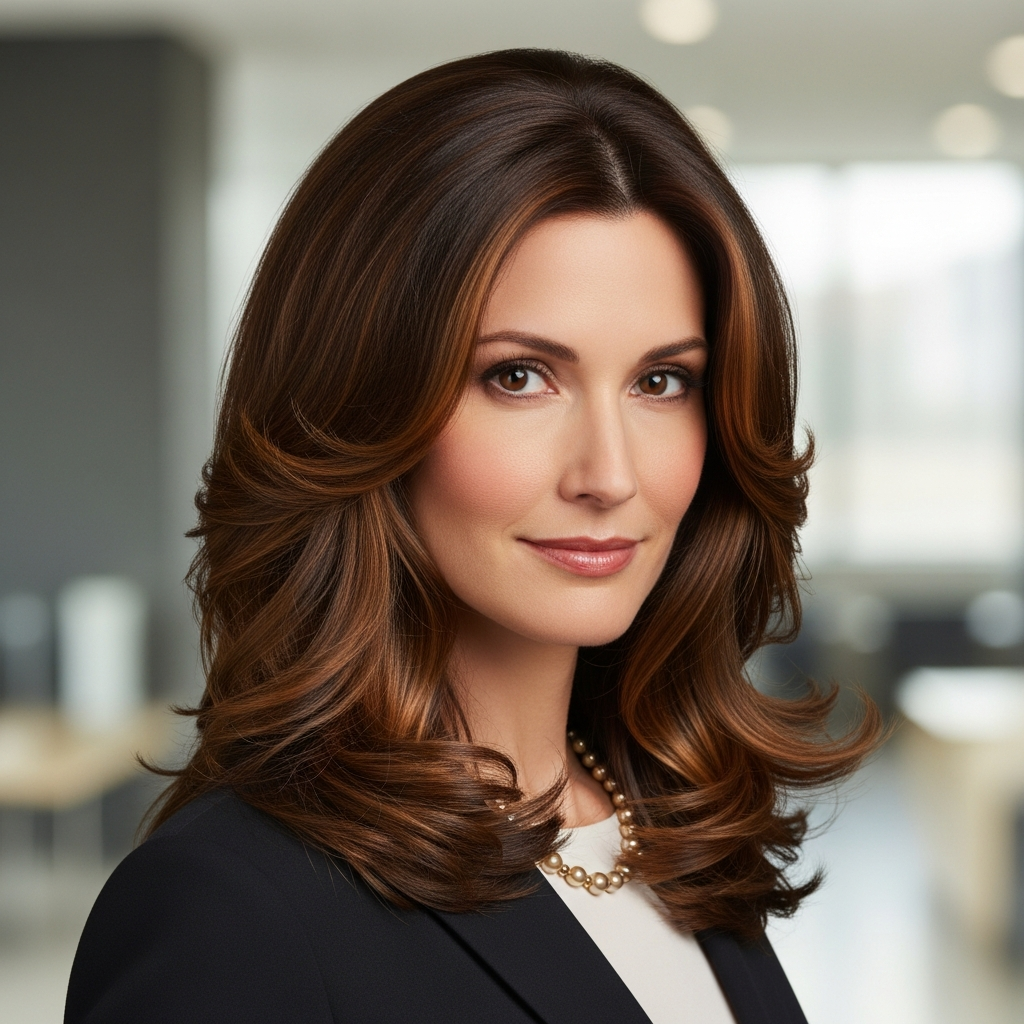
The rounded cut features layers that follow the natural curve of the head. Unlike the sharp V or U shapes, this cut is much softer and more subtle. It is ideal for those who want a classic, polished appearance where the layers provide just enough movement to prevent the hair from looking stagnant.
Conclusion
Choosing the right layered haircut for long hair depends on your hair’s density, texture, and your personal maintenance routine. Whether you prefer the dramatic swing of a V-cut or the subtle lift of ghost layers, incorporating movement into your style revitalizes your look. Consult with a professional stylist to determine which of these twelve techniques will best enhance your natural beauty while keeping your long hair healthy and vibrant.