13 Mid Length Hairstyles With Face Framing Layers
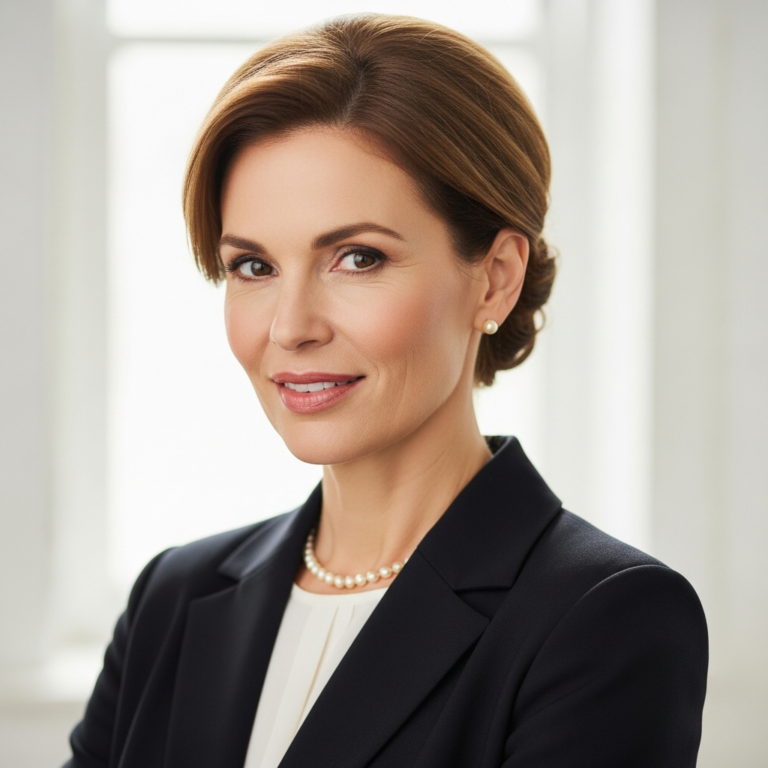
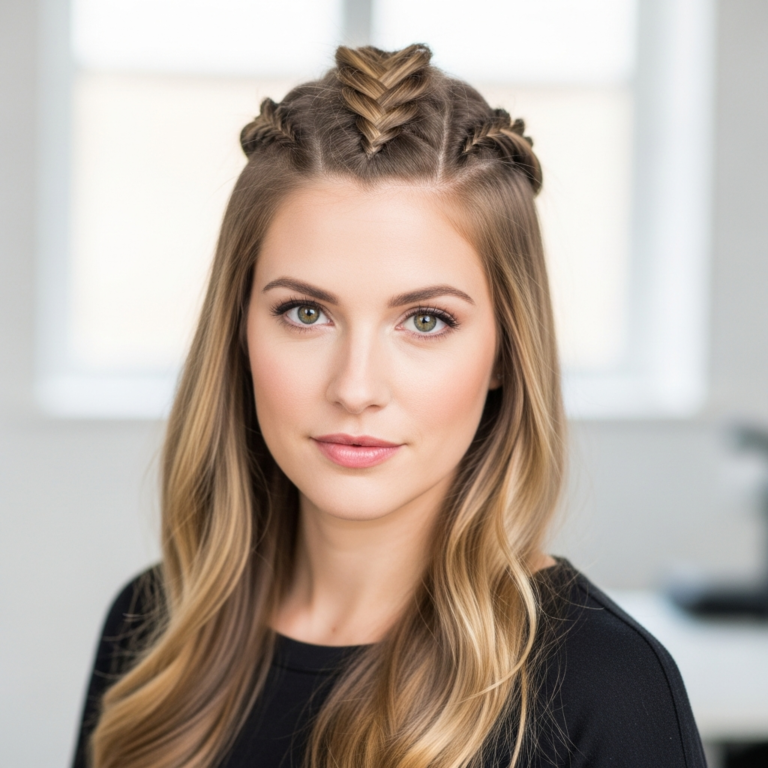
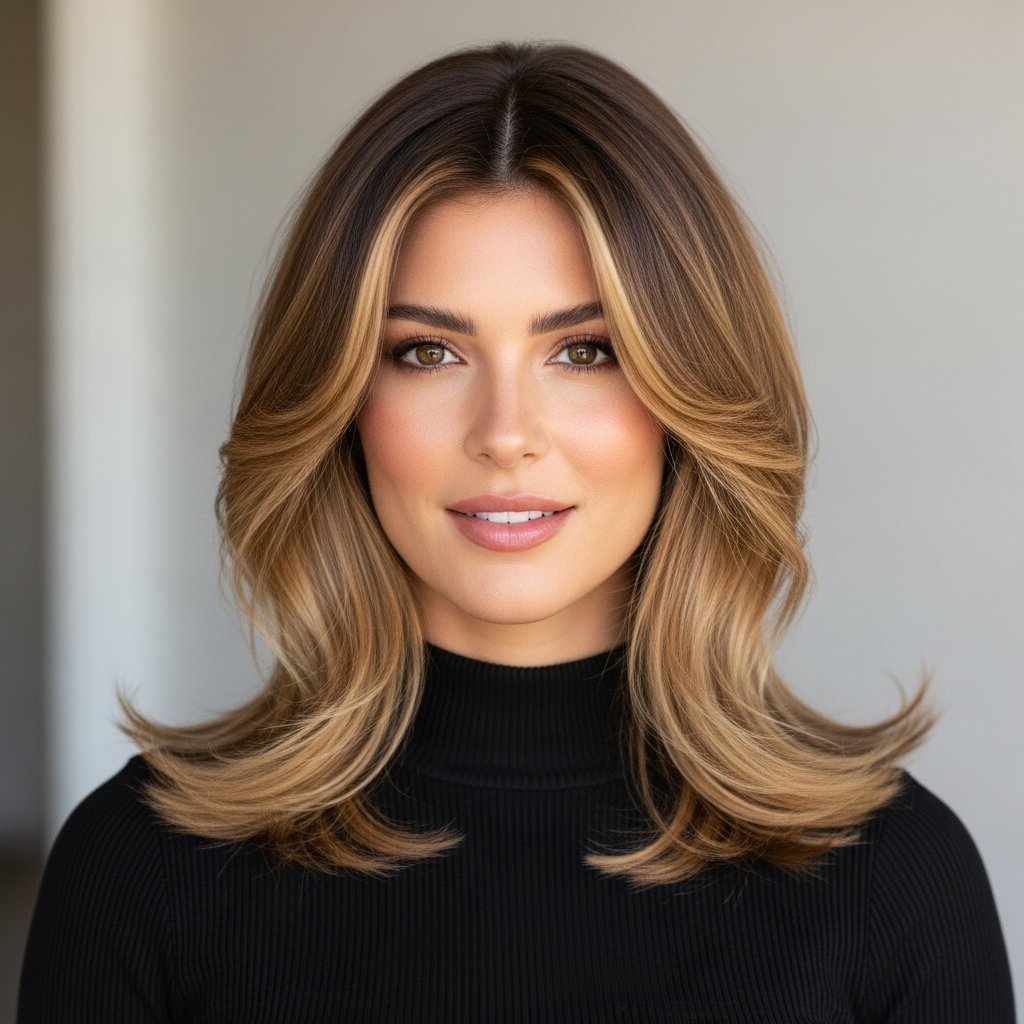
Mid-length hairstyles offer the perfect balance between the ease of short hair and the versatility of long locks. When combined with face-framing layers, this length becomes incredibly transformative, allowing individuals to highlight their best features while adding movement and volume. Face-framing layers are a strategic cutting technique designed to contour the face, often starting around the cheekbones or jawline. This guide explores thirteen distinct variations of this trend, providing inspiration for every hair texture and face shape.
1. The Classic Shoulder-Length Cut
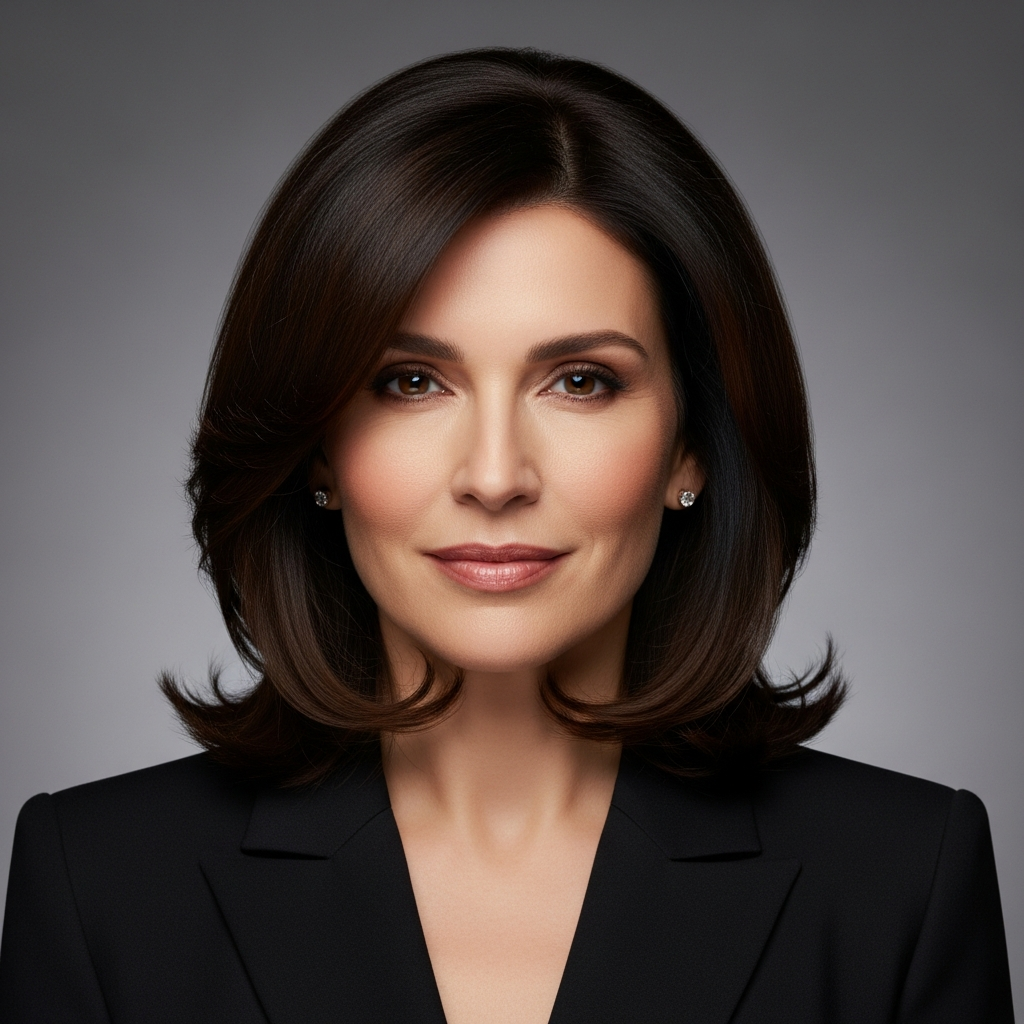
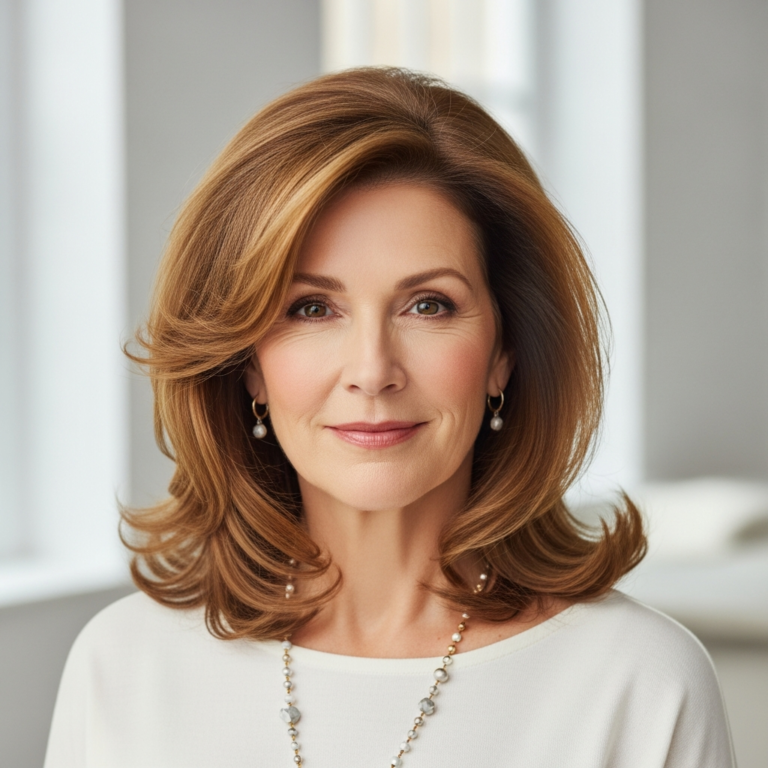
The classic shoulder-length cut is a timeless choice that works for almost everyone. By adding layers that begin just below the chin, you create a soft frame that draws attention to the smile and jawline. This style is particularly effective for those with oval or heart-shaped faces, as it balances the proportions without overwhelming the facial features. It is a low-maintenance option that looks just as good air-dried as it does blow-dried for a polished finish.
2. Soft Wispy Layers
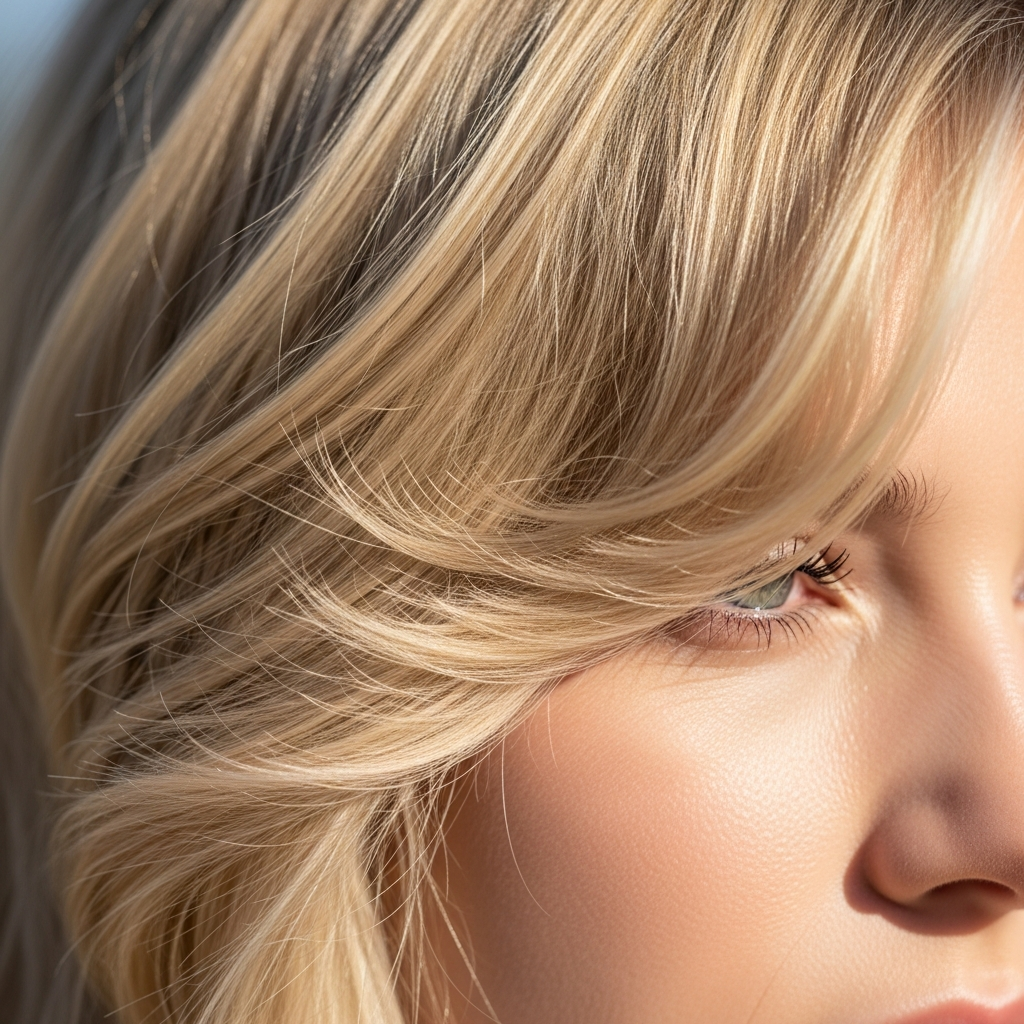
For individuals with fine hair, soft wispy layers are an excellent way to add interest without sacrificing density. These layers are cut delicately around the face to create a light, airy feel. This approach prevents the hair from looking flat and provides a gentle transition from the front to the back. It is ideal for creating a feminine, romantic look that requires minimal styling effort beyond a light texturizing spray.
3. The Modern Shag with Face Framing
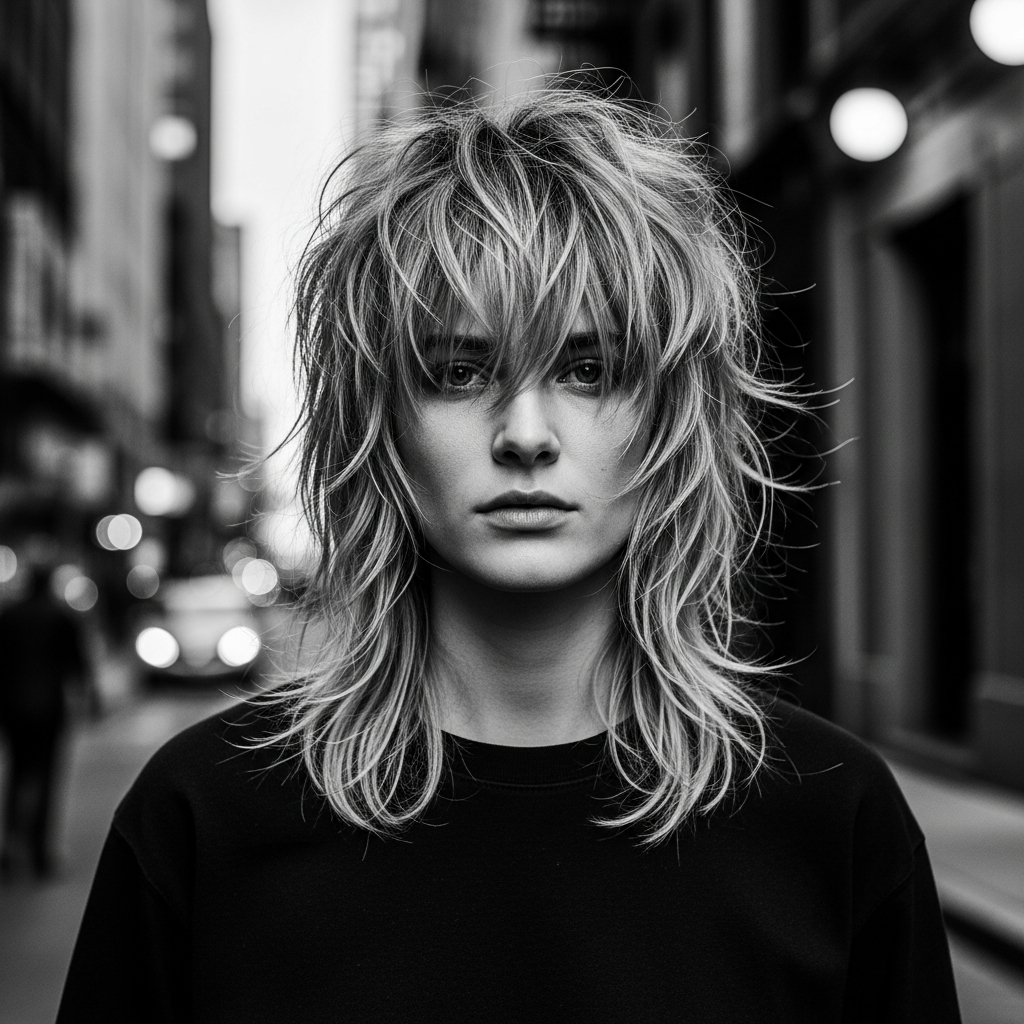
The modern shag has made a significant comeback, blending retro vibes with contemporary techniques. This style utilizes heavy layering throughout the crown and sides, with short, choppy pieces framing the face. It is perfect for those who want a bit of an edge and plenty of texture. The face-framing elements in a shag help to soften the forehead and emphasize the eyes, making it a bold yet flattering choice.
4. Choppy Layers for Added Volume
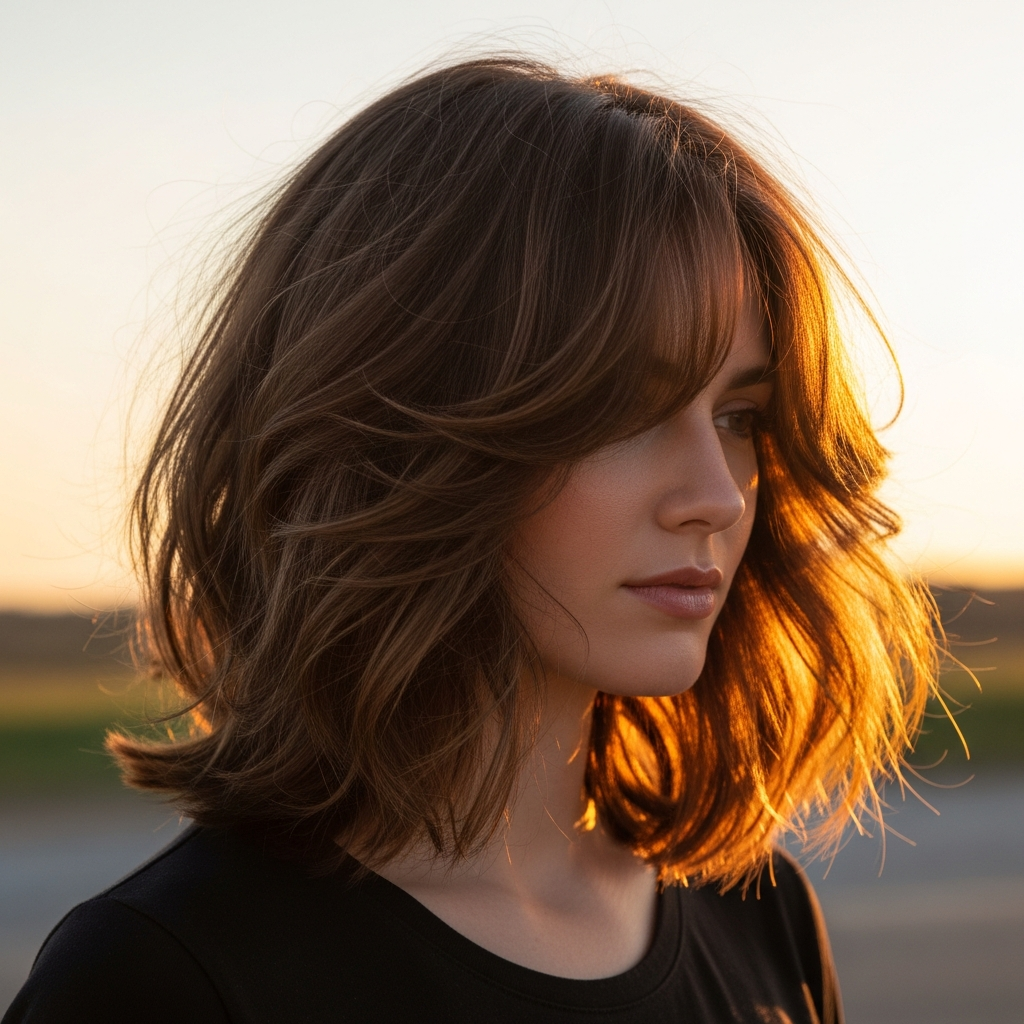
If you are looking to boost volume, choppy layers are the way to go. Unlike seamless layers, choppy cuts have more defined ends that create a sense of thickness and bounce. When these are concentrated around the face, they provide a lift that can make the hair appear fuller. This style works best with a bit of sea salt spray to enhance the lived-in, voluminous texture.
5. Sleek and Straight with Tapered Ends
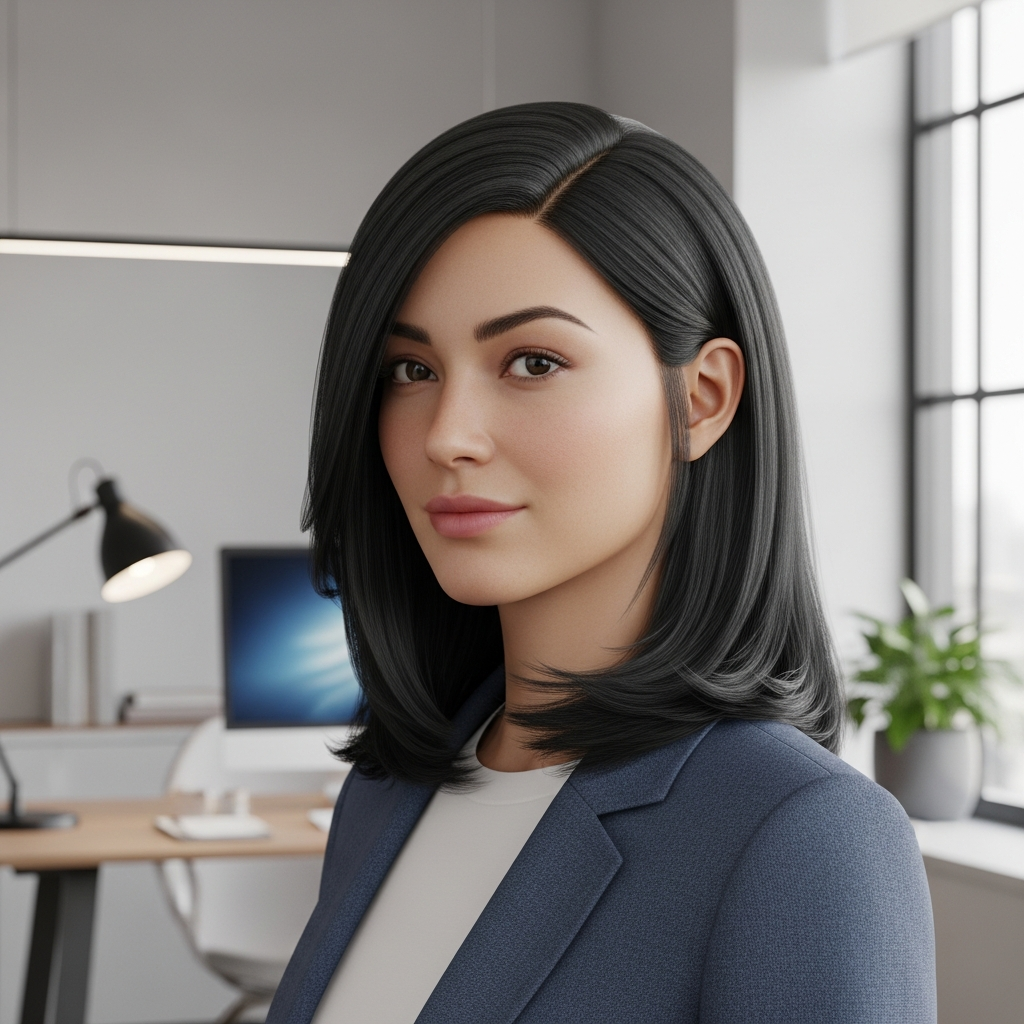
A sleek, straight mid-length style provides a sophisticated and professional appearance. To avoid a boxy look, tapering the ends around the face is essential. These layers should be cut at an angle to lead the eye downward, creating a slimming effect. This style is best achieved with a flat iron and a smoothing serum to ensure the layers lay flat and look intentional.
6. Beach Waves with Curtain Bangs
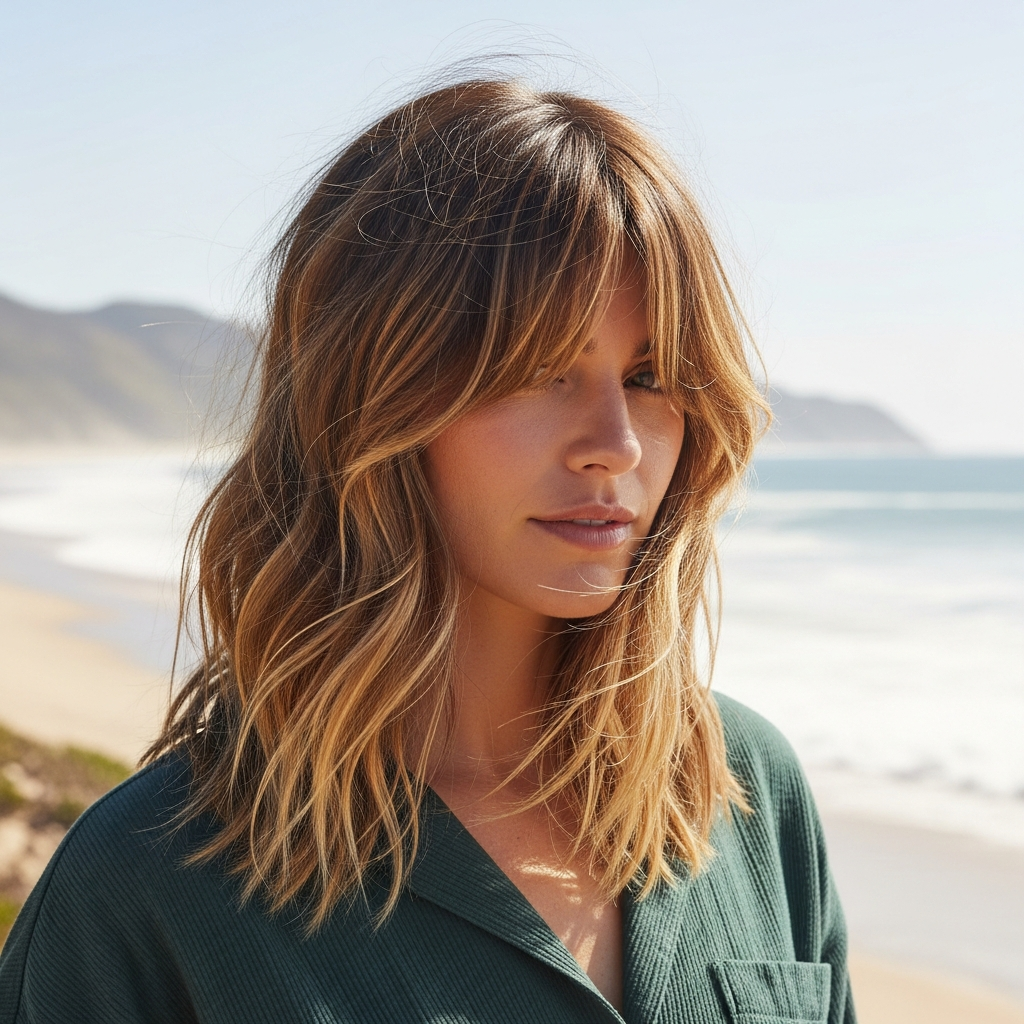
Curtain bangs are a specific type of face-framing layer that parts down the middle, beautifully framing both sides of the forehead. When paired with mid-length beach waves, the result is an effortlessly chic aesthetic. The waves add width and texture, while the curtain bangs provide a focal point at the eyes. This combination is highly popular for its ability to grow out gracefully.
7. The Layered Lob with a Side Part
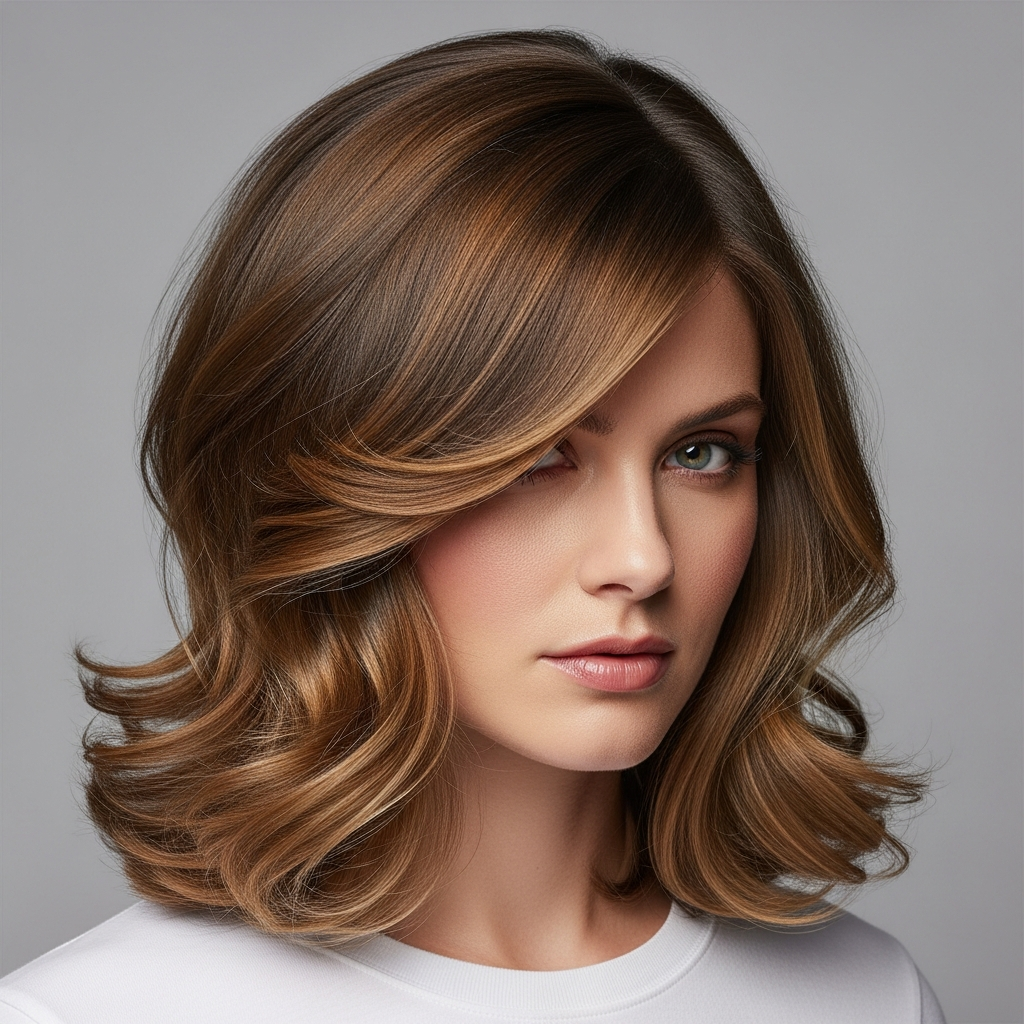
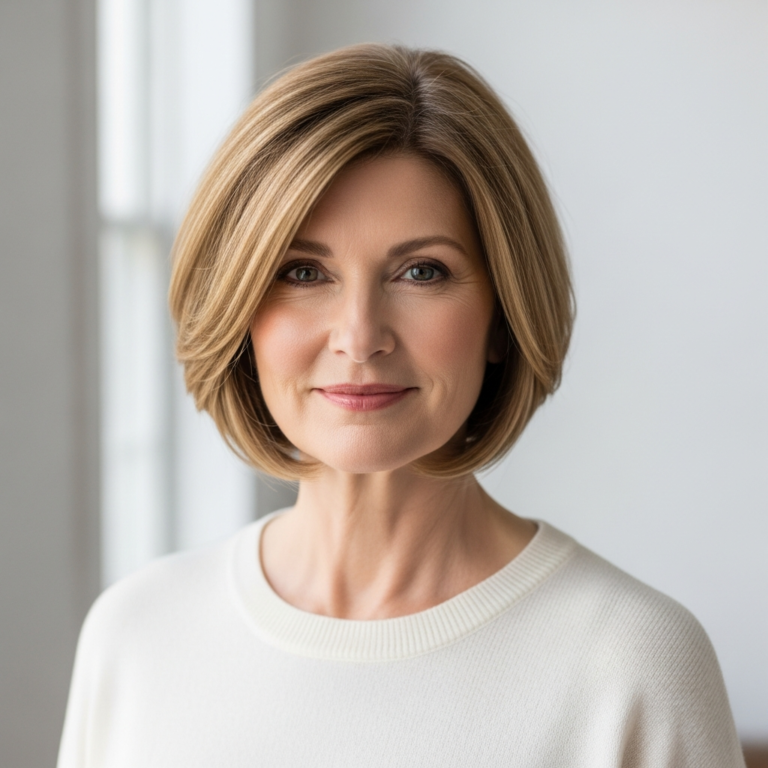
The long bob, or lob, is a staple in modern hair trends. Adding layers and styling it with a deep side part adds an element of asymmetry that is very flattering for rounder face shapes. The face-framing layers on the heavier side of the part create a dramatic sweep that elongates the face. It is a versatile look that can be dressed up or down with ease.
8. Textured Mid-Length Cut
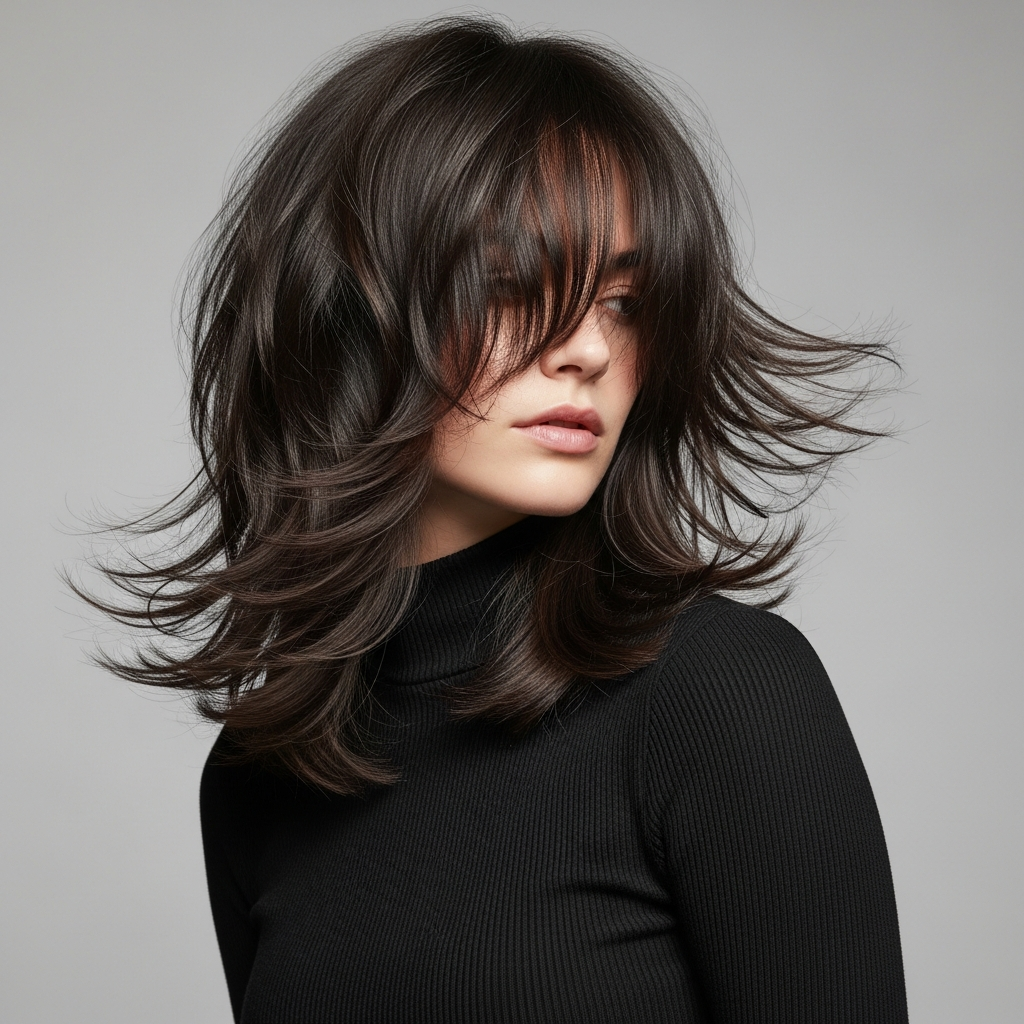
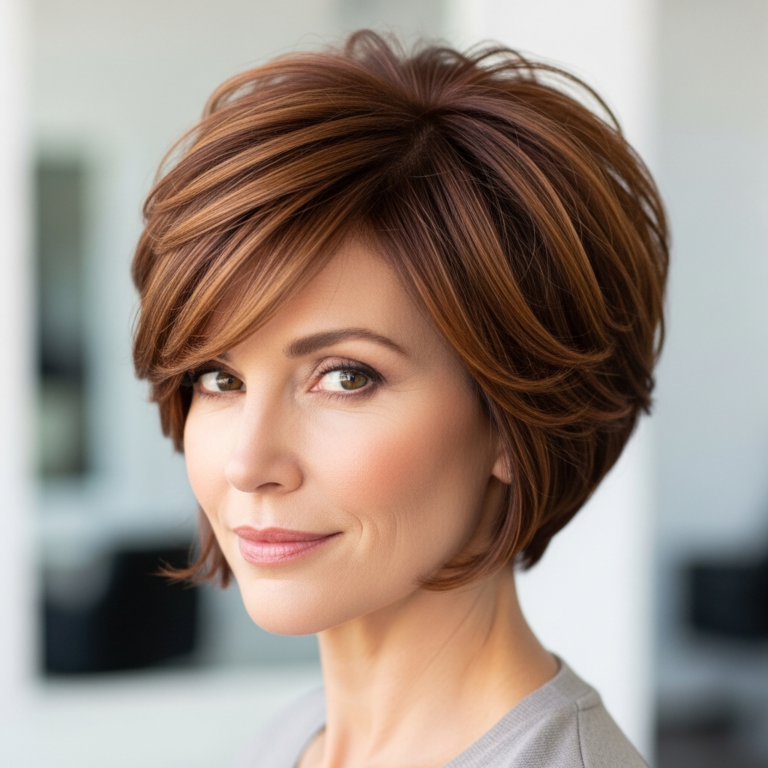
Texture is key for a modern mid-length style. By incorporating internal layers along with face-framing pieces, you can achieve a multidimensional look. This style is particularly effective for those with thicker hair, as it removes weight and allows for more movement. A light pomade or wax can be used to define the layers and give the hair a modern, piecey finish.
9. Feathered Face Frames
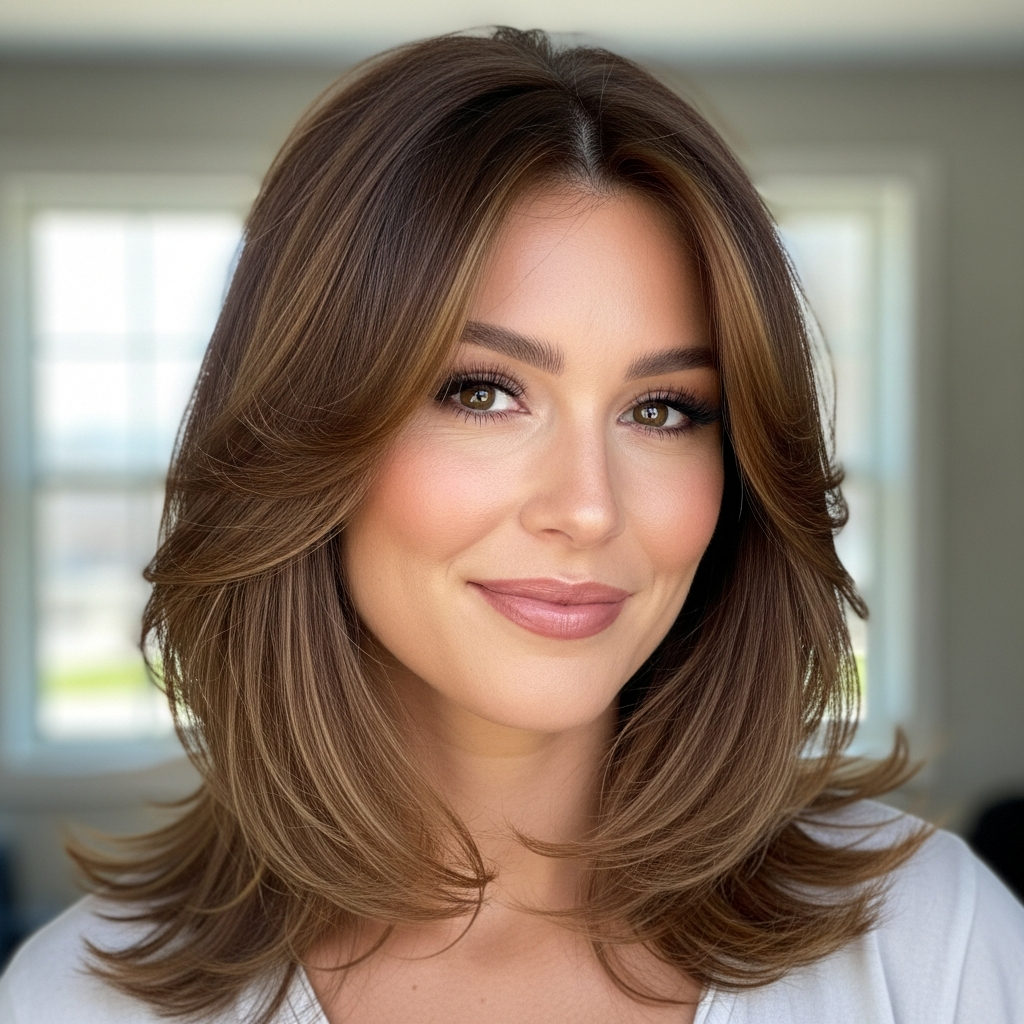
Inspired by the 1970s, feathered layers involve cutting the hair in a way that it flips away from the face. This creates an open, bright look that highlights the cheekbones and eyes. Mid-length hair provides enough weight to keep the feathers from looking too dated, resulting in a fresh and airy style. It is an excellent choice for those who prefer to style their hair with a round brush.
10. Blended Highlights and Layers
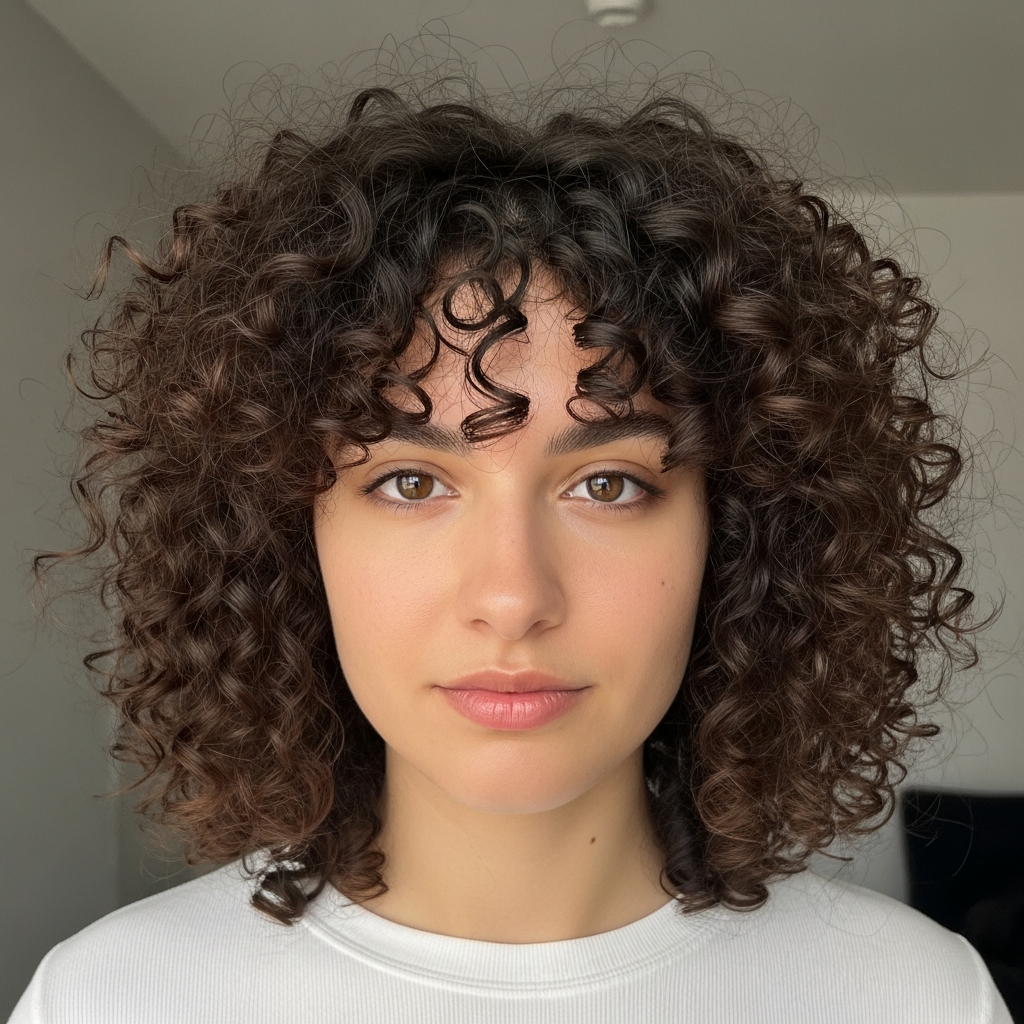
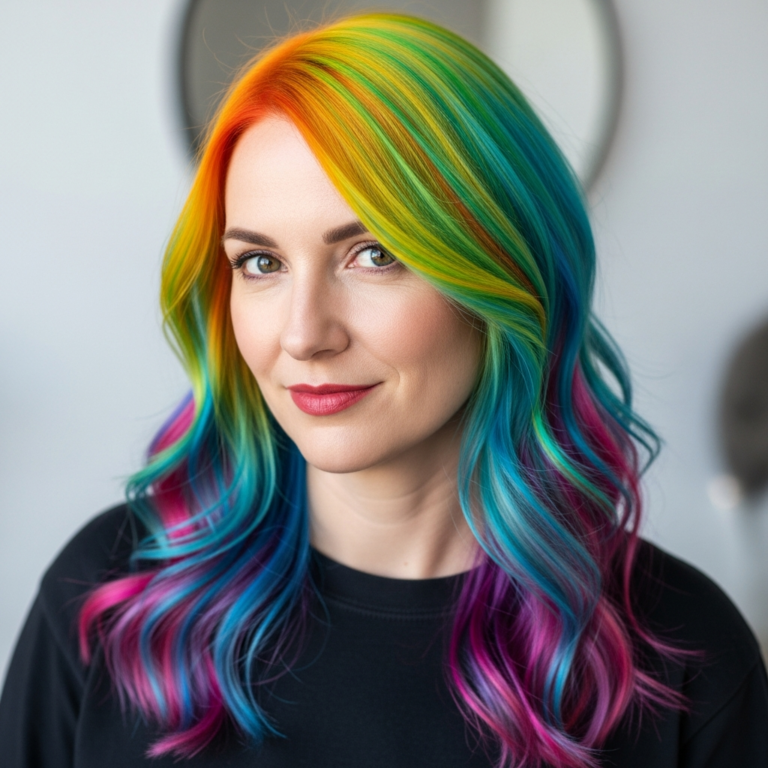
Color can significantly enhance the impact of face-framing layers. By placing highlights or balayage specifically on the layers around the face, you can create a brightening effect often referred to as a money piece. This draws light to the face and gives the haircut more depth. The mid-length provides a great canvas for these color transitions to look seamless and natural.
11. Internal Thinning Layers
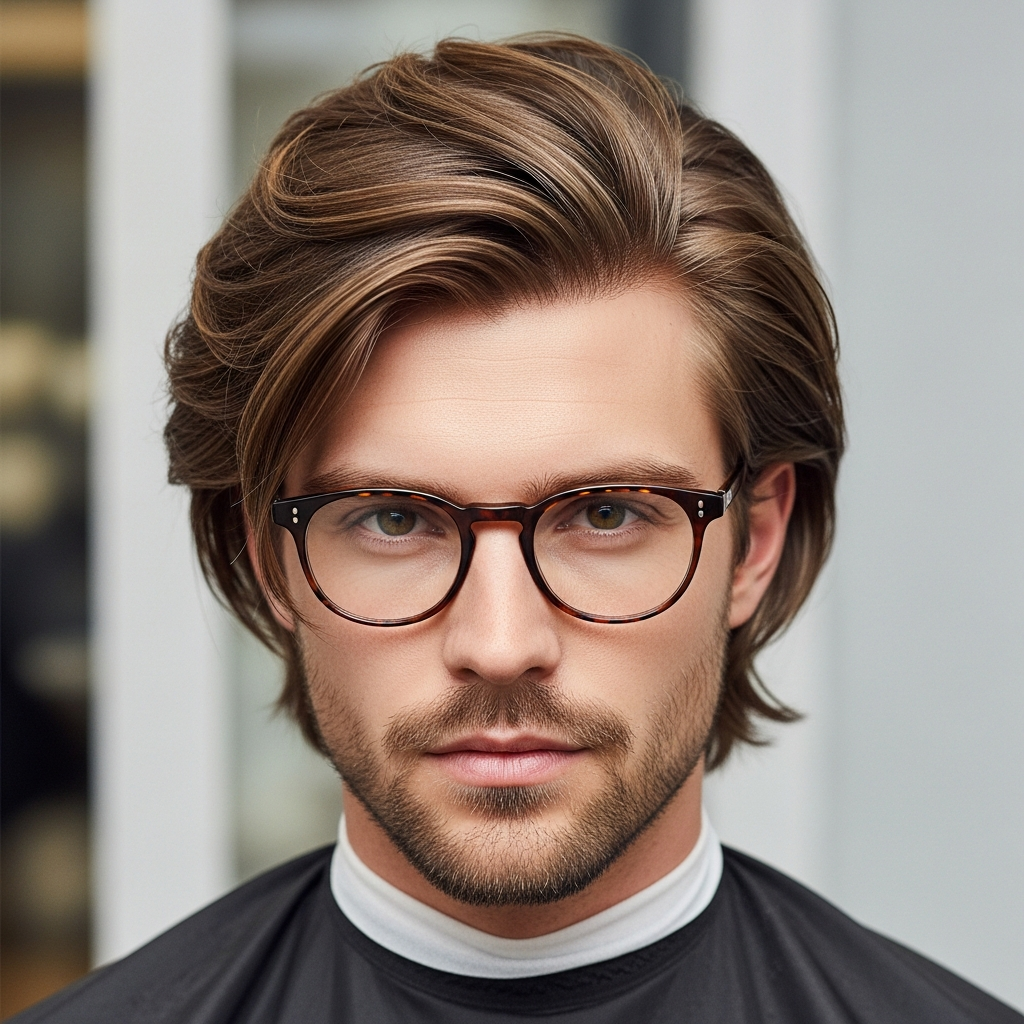
For those with extremely thick hair, layers can be more about function than just fashion. Face-framing layers combined with internal thinning help the hair sit flatter and move more naturally. This prevents the hair from looking like a single, heavy block around the face. It makes styling faster and ensures the hair does not overwhelm the wearer’s facial features.
12. Curly Mid-Length Framing
Curly hair benefits immensely from face-framing layers because they prevent the dreaded triangle shape. By cutting layers of varying lengths around the face, the curls can stack and coil more naturally. This allows the hair to frame the face with bounce and definition rather than hanging heavily. Using a diffuser while drying will help maintain the integrity of these layers.
13. Minimalist Subtle Layers
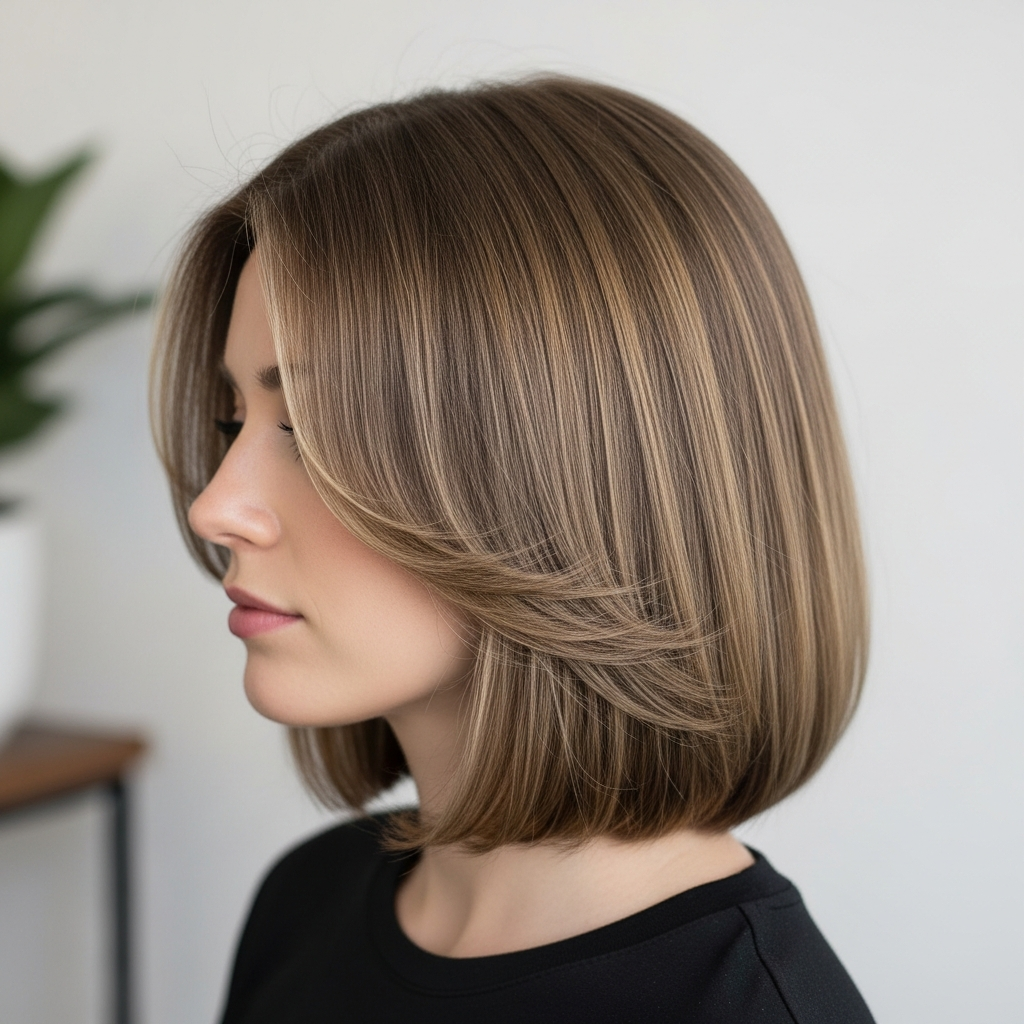
If you are hesitant about layers, a minimalist approach is the way to go. This involves very subtle, long layers that only appear at the very front of the style. From the back, the hair looks like a solid length, but the front has just enough movement to soften the face. This is an excellent introductory style for anyone new to the world of layered haircuts.
Conclusion
Mid-length hairstyles with face-framing layers are a versatile and stylish choice for anyone looking to refresh their look. Whether you prefer the bold texture of a shag or the subtle elegance of minimalist layers, there is a variation that will suit your hair type and personal style. By working with a professional stylist to determine the best starting point for your layers, you can ensure a result that highlights your features and remains easy to manage on a daily basis.