8 Transition Styles Perfect for Changing Seasons
The shift between seasons is arguably the most challenging time for any wardrobe. One moment the sun is radiating a late-summer glow, and the next, a brisk autumnal wind sends you shivering. Navigating this “style limbo” requires more than just a good eye; it requires a strategy. The goal is to create looks that are breathable enough for midday warmth but insulated enough for the crisp mornings and cool evenings.
Transition dressing is an art form that relies heavily on texture, layering, and versatility. By choosing pieces that can be easily added or removed, you ensure comfort without sacrificing your aesthetic. Here are eight essential transition styles that will help you glide seamlessly from one season to the next with effortless grace.
1. Lightweight Knits
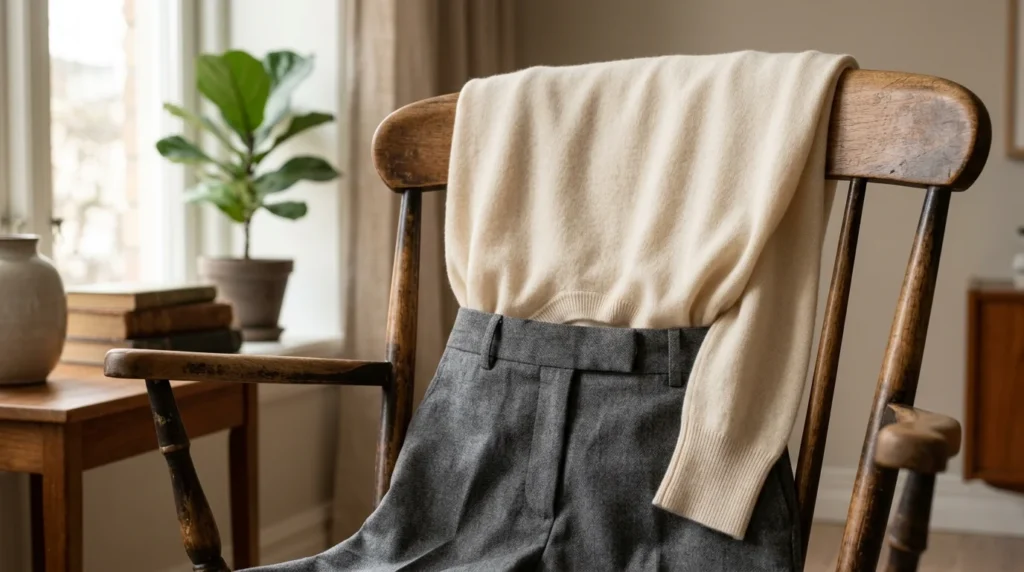
When the heavy wool sweaters are still too much but a t-shirt isn’t enough, the lightweight knit is your best friend. These pieces—often made from fine-gauge cotton, silk blends, or thin cashmere—provide just the right amount of insulation. The beauty of a thin knit is its ability to be tucked into skirts or trousers without creating unsightly bulk.
To master this look, opt for neutral tones like oatmeal, sage, or slate grey. These colors bridge the gap between summer’s brightness and winter’s moodiness. For a classic transition outfit, pair a crew-neck lightweight knit with a silk slip skirt. The contrast between the soft yarn and the shimmering silk creates a sophisticated texture play that works perfectly for a dinner date or an afternoon at the office.
2. Trench Coats
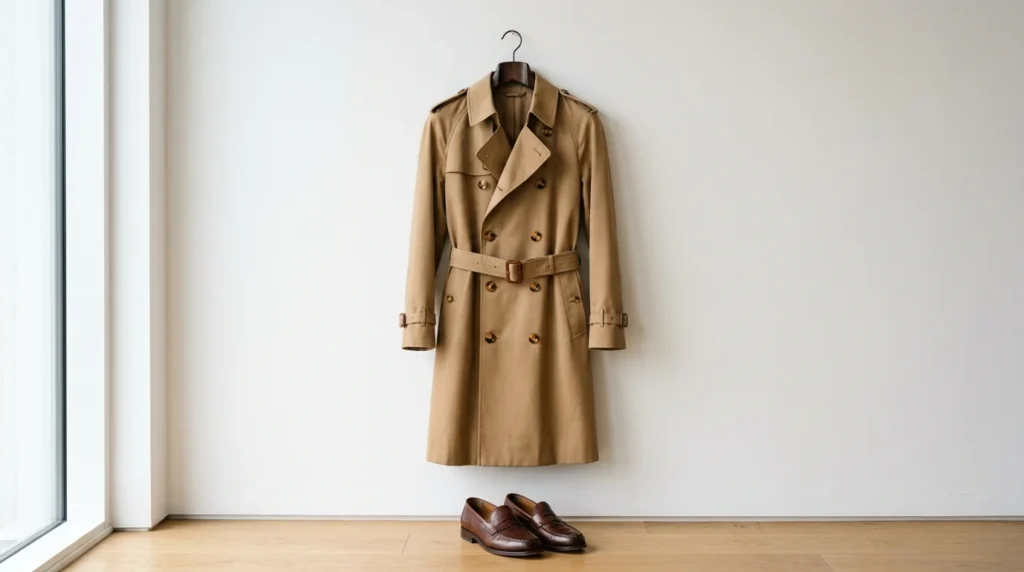
The trench coat is the undisputed king of transitional outerwear. Originally designed for military utility, it has evolved into a symbol of timeless elegance. Because trench coats are typically made from gabardine or treated cotton, they offer excellent wind and rain resistance without the heavy weight of a parka or overcoat.
The key to styling a trench in the changing seasons is the “drape.” Instead of buttoning it up to the chin, wear it open over a simple tee and jeans to let the breeze flow. As the temperature drops, use the belt to cinch the waist, creating a structured silhouette that keeps the heat in. A mid-length trench in khaki or stone is a versatile investment that pairs just as well with sneakers as it does with pointed-toe heels.
3. Midi Skirts
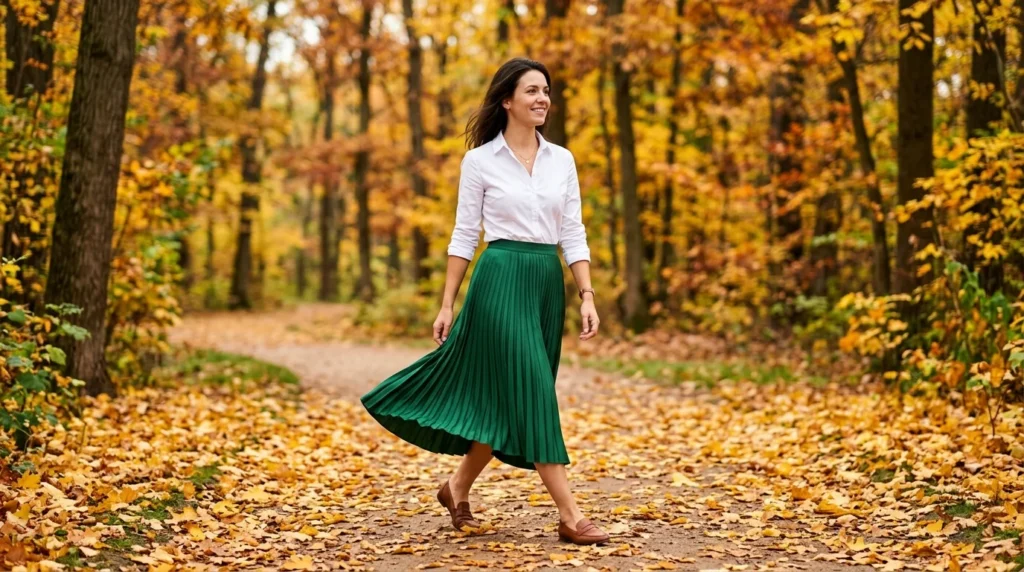
The midi skirt is the ultimate seasonal chameleon. It offers more coverage than a mini but feels much lighter than full-length trousers. During the transition period, the midi skirt allows for excellent airflow while protecting your legs from a sudden chill.
To adapt the midi skirt for changing weather, focus on footwear. On a warmer day, pair a floral or pleated midi with leather slides or loafers. When the air turns crisp, swap the flats for knee-high boots. This “boots and skirts” combination is a hallmark of transitional style, offering a silhouette that is both feminine and sturdy. Look for fabrics like satin, faux leather, or heavy jersey to add weight and movement to your ensemble.
4. Denim Jackets
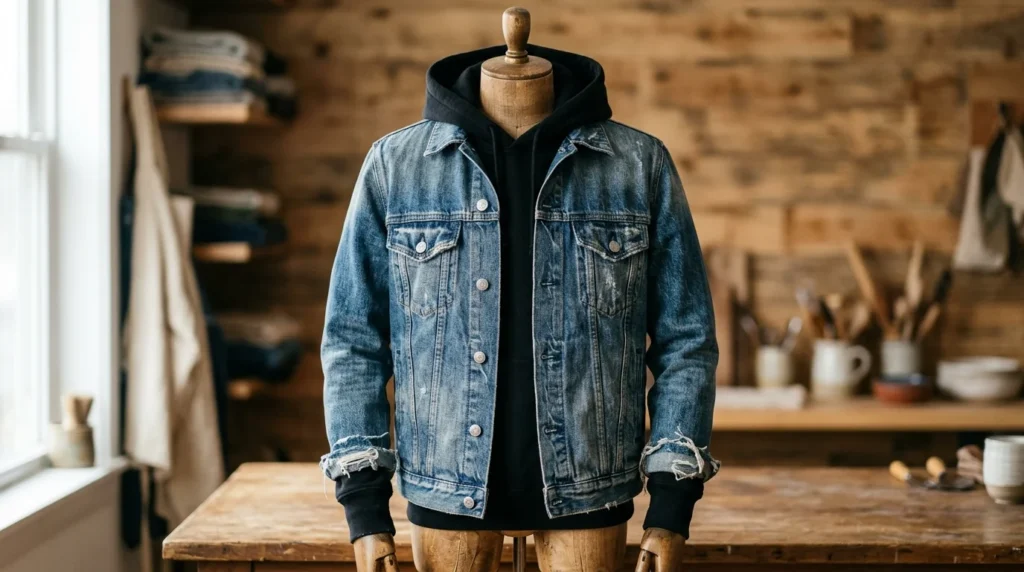
Denim is a year-round staple, but the denim jacket truly shines during the seasonal shift. It acts as a rugged outer layer that can withstand the elements while maintaining a relaxed, cool-girl vibe. Because denim is a dense fabric, it provides a surprising amount of warmth, yet its cropped nature prevents overheating.
For a modern take on this classic, try the “double denim” look by pairing your jacket with jeans in a slightly different wash. If you want something more polished, throw an oversized denim jacket over a floral maxi dress. This balances the softness of the dress with the structure of the denim, creating a look that is ready for a farmer’s market run or a casual weekend brunch.
5. Ankle Boots
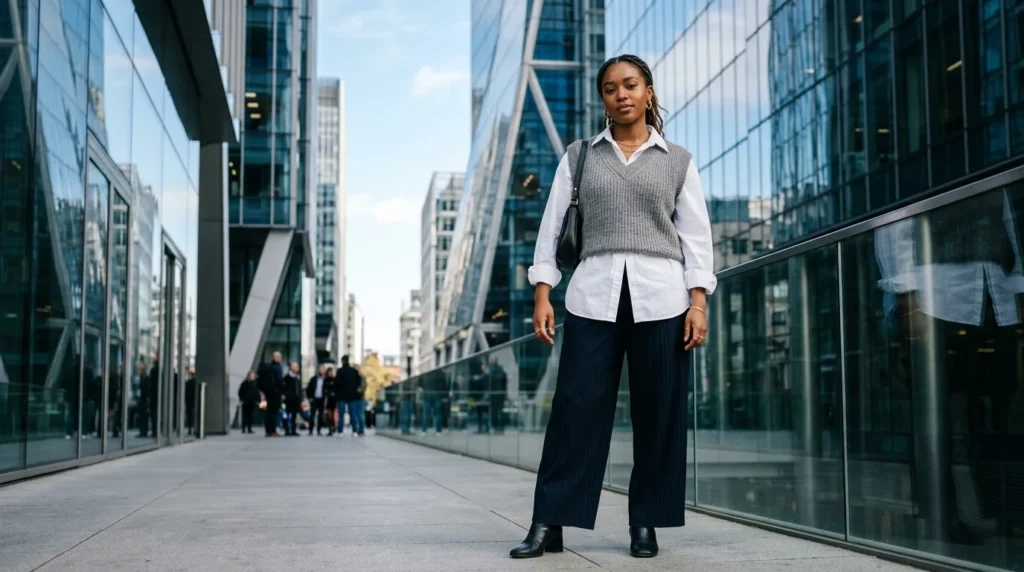
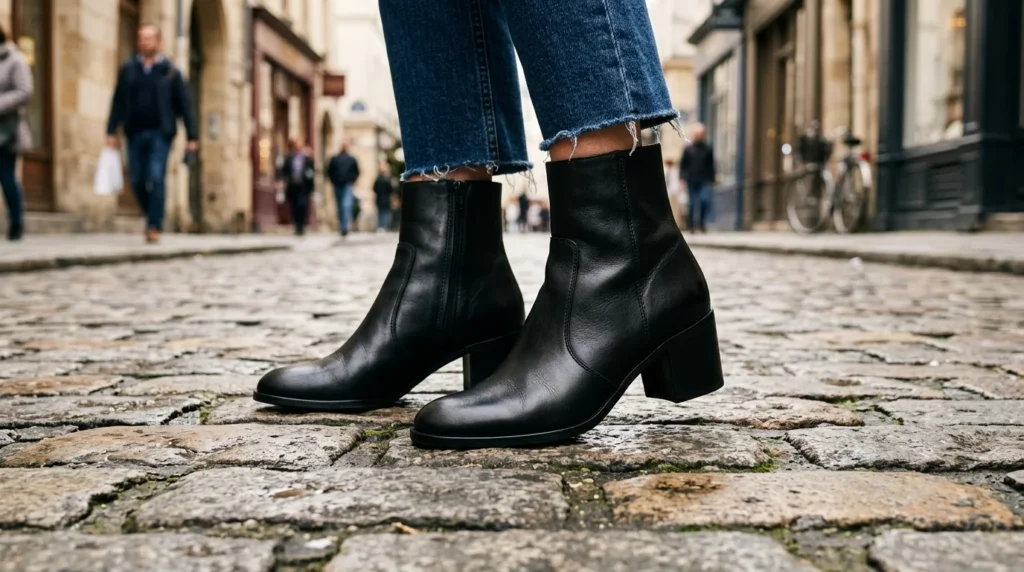
Footwear is often the hardest part of seasonal transitions. You aren’t quite ready for heavy winter boots, but your summer sandals are starting to feel exposed. Enter the ankle boot. Whether it’s a Chelsea boot, a Western-inspired silhouette, or a sleek pointed-toe style, the ankle boot is the perfect middle ground.
Ankle boots protect your feet from unpredictable puddles while leaving enough of the leg exposed to keep the look light. They pair seamlessly with almost everything in a transitional wardrobe, from cropped trousers to midi dresses. For maximum versatility, choose a pair in a matte leather or soft suede. Tan and cognac shades work beautifully for the transition into spring, while black and deep burgundy feel right for the descent into autumn.
6. Layered Vests
The vest—or “waistcoat”—has seen a massive resurgence in recent years, and for good reason. It is the quintessential layering piece. A knitted sweater vest provides core warmth while allowing your arms to breathe, making it ideal for those days when the temperature fluctuates by ten degrees between morning and noon.
You can wear a tailored vest as a standalone top during the tail end of summer, or layer it over a long-sleeved button-down as the weather cools. This look provides a preppy, intellectual aesthetic that is highly functional. Experiment with different textures, such as quilted vests for a more outdoorsy, “cabin-core” look, or sleek wool vests for a refined professional appearance.
7. Leather Trousers

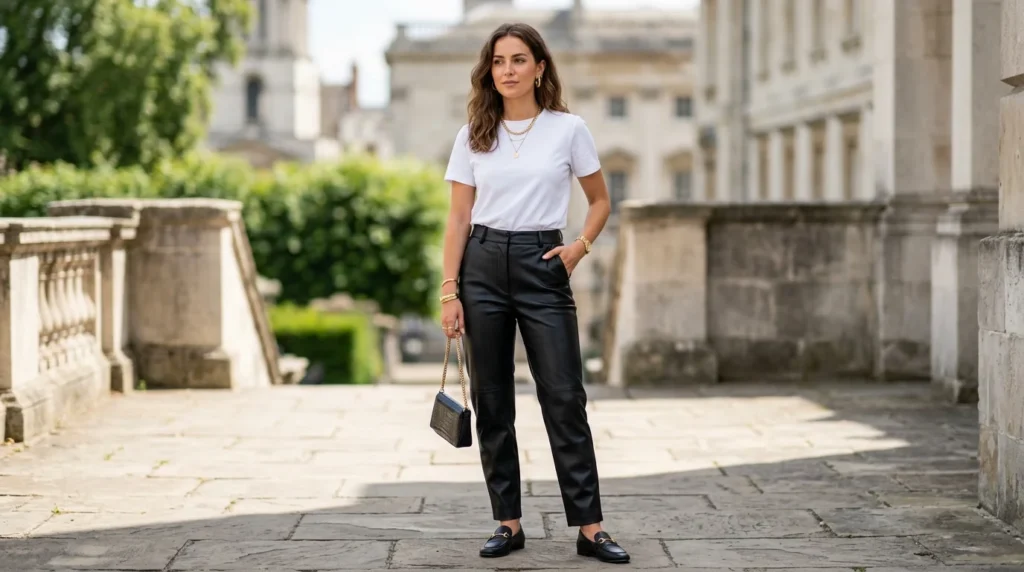
As we move away from the lightweight linens of summer, we need fabrics with more substance. Leather (and high-quality vegan leather) is an exceptional transitional material because it is completely windproof and holds its shape beautifully. Leather trousers add an instant edge to any outfit and provide a level of warmth that denim simply can’t match.
To keep leather trousers from feeling too “heavy” for the transition season, pair them with light tops. A simple white rib-knit tank or a breezy cotton blouse balances the toughness of the leather. As for the cut, straight-leg or wide-leg silhouettes are currently more on-trend and more comfortable for fluctuating temperatures than the traditional skinny leather pant.
8. Oversized Blazers
The oversized blazer is the “it-item” for anyone looking to bridge the gap between seasons with professional flair. It serves as a light jacket that looks significantly more intentional than a cardigan. The structured shoulders and long hemline provide a shield against the wind while maintaining a breezy, open-front feel.
The trick to the transitional blazer is the “shoulder drape.” By resting the blazer on your shoulders without putting your arms through the sleeves, you create a chic, editor-inspired look that allows for maximum ventilation. For a relaxed weekend outfit, pair a checked blazer with a graphic tee and bicycle shorts or leggings. For the office, layer a navy or black blazer over a lightweight turtleneck or a silk camisole.
Closing Thoughts on Seasonal Transitions
Mastering the changing seasons isn’t about buying a whole new wardrobe; it’s about reimagining the pieces you already own through the lens of layering. By focusing on these eight styles, you can create a versatile rotation that keeps you prepared for any weather quirk. Remember, the key to a successful transition outfit is the ability to adapt—always have a layer you can peel off and a classic piece of outerwear ready to throw on when the sun goes down.